



City Profile
Marshalltown, Iowa
USA · Comprehensive city data and intelligence
Marshalltown, Iowa, serves as the county seat of Marshall County and is situated in the central region of the state. Founded in the mid-19th century, the city grew as an agricultural and manufacturing hub, known historically for its rich prairie surroundings and industrial contributions. Today, Marshalltown combines a small-town Midwestern character with a diverse community and a resilient local economy that rebounded strongly following historical weather and economic challenges.
Iowa, located in the Midwest, is characterized by its expansive farmlands and a generally relaxed, community-focused lifestyle. The state's economy is diverse, with major industries including advanced manufacturing, biosciences, finance and insurance, and its foundational agricultural sector, which leads in corn, soybean, ethanol, and pork production. Living in Iowa is notably affordable, with the cost of living, particularly housing, being significantly lower than the national average. The climate is humid continental, featuring hot, humid summers and cold winters, with seasonal precipitation and susceptibility to various natural disasters like snowstorms, floods, and tornadoes.
How this 64/100 was calculated five components, with every reading behind them
| Component | Readings used | Points | Weight | Contributes |
|---|---|---|---|---|
| Safety | Safety score: 68 / 100 | 68.0 | 30% | 20.4 |
| Affordability | Cost of living index (100 = national baseline): 84.0 | 63.8 | 25% | 15.9 |
| Economy & jobs | Median household income: $55,400 Income needed to live here: $42,000 Unemployment rate: 3.8% | 71.2 | 20% | 14.2 |
| Growth | Population growth rate: 0.4% Job growth rate: 1.5% | 42.5 | 15% | 6.4 |
| Business climate assessment | Business climate assessment: 67 / 100 | 67.0 | 10% | 6.7 |
| Overall score | 63.7 | |||
Provenance.
These figures were produced by the research pass recorded as
Tier 1 (fast) (q=52, partial — below threshold), last refreshed
16 October 2026.
They are researched estimates drawn from public sources, not a licensed data feed.
Each component is scored against fixed published endpoints, so this number is comparable with any other city and does not move as the dataset grows. Scoring framework 2026.10 — full methodology, weights and accepted ranges.

Featured Events
Happening in Marshalltown
Featured and sponsored events in Marshalltown.
Local Directory
Businesses in Marshalltown
Featured local businesses in Marshalltown.

Performance
Quality Scores
Expenses
Cost of Living
The cost of living in Marshalltown is significantly lower than the national average, making it an attractive destination for families and retirees looking to stretch their budgets. Housing, utilities, and grocery expenses all trend below typical U.S. benchmarks, driven by lower real estate valuations and affordable regional supply. While certain imported goods and specialized services remain comparable to national rates, overall daily expenses allow residents to enjoy a comfortable lifestyle on modest incomes.
Income
Salary Insights
Marshalltown's economy is anchored by manufacturing, healthcare, and education, with major employers like Emerson (Fisher Controls) and UnityPoint Health playing pivotal roles. The local job market benefits from a steady industrial base and ongoing investments in workforce development programs. While traditional manufacturing remains a cornerstone, the city has seen incremental growth in service sectors and small-scale entrepreneurship.
The average salary in Marshalltown is $52,000 per year. You would need approximately $42,000 to live comfortably.
Employment
Top Industries
Weather
Climate
Mobility
Transport
Transportation in Marshalltown is heavily car-dependent, with most residents relying on personal vehicles for daily commutes and errands due to limited public transit options. The city's grid layout and modest population size ensure that traffic congestion is minimal, and average commute times are well below the national average. Walkability is favorable primarily within the immediate downtown commercial district rather than outlying residential subdivisions.

At a Glance
Pros & Cons
Advantages
Drawbacks
Head to Head
Compare Marshalltown
Community Q&A
Questions about Marshalltown
What people ask about living in and moving to Marshalltown, Iowa.
How does the cost of living in Marshalltown compare to the national average?
Marshalltown’s cost‑of‑living index is 84, meaning it is about 16 % cheaper than the national average of 100. Everyday expenses such as groceries, utilities, and transportation tend to be lower, while housing is especially affordable. The average rent is $850 per month, which is well below the national median. With an average salary of $52,000 per year, residents typically find that their disposable income goes furth...
What is the typical rent for a one‑bedroom apartment in Marshalltown?
The average rent in Marshalltown is $850 per month, which includes a range of unit sizes. One‑bedroom apartments generally fall near this average, though exact prices depend on location, age of the building, and amenities. To get current listings, check regional rental websites, the local newspaper classifieds, or contact property management firms that serve the area. You can also browse the city’s housing authority...
What are the main industries hiring in Marshalltown?
Marshalltown’s economy includes manufacturing, healthcare, education, and retail. Manufacturing remains a significant employer, with several plants and suppliers operating in the region. The city also has a growing health‑care sector and a school district that hires teachers and support staff. For current openings, visit the state’s workforce development website, local job boards, or the city’s economic development o...
How are the public schools rated in Marshalltown?
Marshalltown is served by a public school district that includes elementary, middle, and high schools. The district’s performance metrics are publicly available through the state department of education’s report cards, which provide information on test scores, graduation rates, and student‑teacher ratios. Generally, the schools are considered solid for a small‑city environment, offering a range of extracurricular act...
Is Marshalltown a safe place to live?
Marshalltown’s safety score is 68 out of 100, indicating a moderate level of safety compared with other U.S. communities. Crime tends to be lower than in larger metropolitan areas, though like any city there are neighborhoods with varying levels of activity. The local police department publishes annual crime statistics on its website, and the city’s community safety reports provide insight into trends. Prospective re...
What public transportation options exist in Marshalltown?
Marshalltown is served by a city transit authority that operates fixed‑route bus service throughout the downtown area and surrounding neighborhoods. Schedules and route maps are posted on the city’s transportation department website. In addition, there are regional taxi and rideshare services that operate in the city. For longer trips, the nearby intercity bus terminals provide connections to larger cities. If you pl...
Where can I find medical care in Marshalltown?
Marshalltown has a community hospital that offers emergency services, inpatient care, and specialty clinics. Primary‑care physicians and family practices are located throughout the city, often clustered near the downtown medical district. To find a provider, you can use the state medical board’s online directory or the hospital’s physician referral service. Insurance networks are typically listed on the hospital’s we...
What recreational activities are popular in Marshalltown?
Marshalltown offers a variety of outdoor and cultural activities. There are several city parks with walking trails, playgrounds, and sports fields, as well as a riverfront area that supports fishing and kayaking. The community center hosts seasonal festivals, farmers’ markets, and concerts. For indoor recreation, the local library system provides programs for all ages, and the city maintains a recreation department t...
What should I know about utilities and services when moving to Marshalltown?
When you set up a new residence in Marshalltown, you’ll need to arrange water, electricity, natural gas, and waste services through the city’s utility providers. The city’s public works department handles water and sewer, while electricity and gas are supplied by regional utility companies. For internet and cable, several providers operate in the area; you can compare plans on their websites or use a broadband availa...
How do I get involved in the Marshalltown community after moving?
Marshalltown has a number of civic and volunteer opportunities. The city’s parks and recreation department runs volunteer programs for park clean‑ups, event staffing, and youth sports coaching. Local nonprofits and the chamber of commerce maintain volunteer listings on their websites. Additionally, the public library and community center host clubs, workshops, and meet‑ups that are open to new residents. Checking the...
Some answers here were drafted as a starting point and may be out of date. Live in Marshalltown? Add your own.
FAQ
Frequently Asked Questions
Senior Care in Marshalltown
11 assisted living, nursing & memory care facilities in Marshalltown.
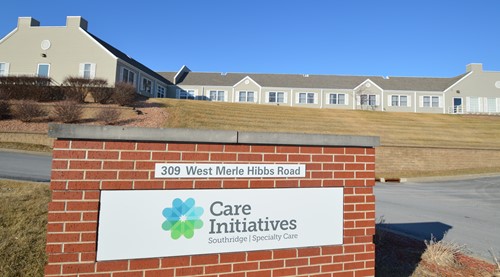 Assisted Living
Southridge Specialty Care
Marshalltown, IA
 Assisted Living
Accura HealthCare of Marshalltown
Marshalltown, IA
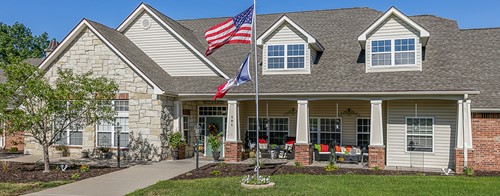 Assisted Living
Bickford of Marshalltown
Marshalltown, IA
Iowa Veterans Home
Marshalltown, IA
Willows of Marshalltown Memory Care
Marshalltown, IA
Comfort Keepers - Marshalltown
Marshalltown, IA
Village Cooperative of Marshalltown, IA
Marshalltown, IA
The Tallcorn
Marshalltown, IA
Glenwood Place
Marshalltown, IA
Grandview Heights Inc
Marshalltown, IA
Iowa River Hospice
Marshalltown, IA
City Guide
Explore Marshalltown
Free Quotes
Get quotes from local pros in Marshalltown
Tell us what you need and we’ll pass it to companies that serve your area. It’s free, and there’s no obligation.

Compare Marshalltown with any city
See how it stacks up on cost, income, and quality of life.
Start Comparing