



City Profile
Louisville, Kentucky
USA · Comprehensive city data and intelligence
Louisville, Kentucky's largest city, is situated along the Ohio River and blends rich Southern heritage with a vibrant, modern Midwestern culture. Founded in 1778, the city is globally renowned as the birthplace of the Kentucky Derby and legendary bourbon distilleries, anchored by historic neighborhoods like the Highlands and Old Louisville. Today, Louisville attracts residents with its distinctive architectural charm, thriving culinary scene, and a lower-than-average cost of living compared to major coastal metros. The city's ongoing revitalization projects along the waterfront and downtown areas continue to draw young professionals and families alike.
Kentucky, known as the Bluegrass State, offers a blend of Southern charm and Midwestern practicality with a rich heritage rooted in horse racing, bourbon, and bluegrass music. The economy is diverse, with manufacturing (especially automotive), healthcare, and agriculture (including horses, cattle, corn, and tobacco) being major industries. Living in Kentucky is generally affordable, with the cost of living estimated to be 10-12% lower than the national average, particularly for housing. The state experiences a humid subtropical climate with four distinct seasons, featuring warm, humid summers and moderately cold, rainy winters. Residents enjoy a lifestyle that balances urban amenities in cities like Louisville and Lexington with abundant outdoor recreation opportunities and a strong sense of community.
How this 61/100 was calculated five components, with every reading behind them
| Component | Readings used | Points | Weight | Contributes |
|---|---|---|---|---|
| Safety | Safety score: 65 / 100 | 65.0 | 30% | 19.5 |
| Affordability | Cost of living index (100 = national baseline): 92.0 | 53.8 | 25% | 13.4 |
| Economy & jobs | Median household income: $65,200 Income needed to live here: $48,000 Unemployment rate: 3.9% | 73.0 | 20% | 14.6 |
| Growth | Population growth rate: 0.3% Job growth rate: 1.8% | 44.3 | 15% | 6.6 |
| Business climate assessment | Business climate assessment: 70 / 100 | 70.0 | 10% | 7.0 |
| Overall score | 61.2 | |||
Provenance.
These figures were produced by the research pass recorded as
Tier 1 (fast) (q=52, partial — below threshold), last refreshed
16 October 2026.
They are researched estimates drawn from public sources, not a licensed data feed.
Each component is scored against fixed published endpoints, so this number is comparable with any other city and does not move as the dataset grows. Scoring framework 2026.10 — full methodology, weights and accepted ranges.

Featured Events
Happening in Louisville
Featured and sponsored events in Louisville.
Local Directory
Businesses in Louisville
Featured local businesses in Louisville.

Performance
Quality Scores
Expenses
Cost of Living
The cost of living in Louisville remains a major draw for newcomers, consistently tracking several points below the national average. Housing costs, in particular, offer significant value, with median home prices and average rents remaining well under typical US benchmarks. Everyday expenses such as groceries, utilities, and transportation are similarly accessible, allowing residents to enjoy a comfortable standard of living without the financial pressures found in larger tech or financial hubs. While localized property taxes and insurance rates have experienced upward adjustments in recent years, Louisville's overall economic affordability remains one of its defining competitive advantages.
Income
Salary Insights
Louisville boasts a diverse and resilient economy anchored by major sectors including logistics, healthcare, manufacturing, and bourbon tourism. As a central distribution hub—largely driven by UPS Worldport located at the Louisville International Airport—the city offers robust employment opportunities in supply chain management and freight. Prominent healthcare networks like Norton Healthcare and UofL Health provide substantial employment in the medical and life sciences fields. Additionally, the booming bourbon and hospitality industries continue to spur job creation, small business growth, and regional economic stability.
The average salary in Louisville is $62,000 per year. You would need approximately $48,000 to live comfortably.
Employment
Top Industries
Weather
Climate
Mobility
Transport
Getting around Louisville is primarily automobile-dependent, with a comprehensive highway network including I-64, I-65, and I-265 facilitating regional transit. Public transportation is managed by TARC (Transit Authority of River City), which operates bus routes throughout the metro area and surrounding counties. While central areas like Nulu and the Highlands offer high walkability and bike lanes, suburban commuting generally relies on personal vehicles. Traffic congestion is relatively moderate compared to similarly sized metropolitan areas, though bridge crossings over the Ohio River experience peak-hour delays.

At a Glance
Pros & Cons
Advantages
Drawbacks
Head to Head
Compare Louisville
Community Q&A
Questions about Louisville
What people ask about living in and moving to Louisville, Kentucky.
FAQ
Frequently Asked Questions
Businesses for Sale in Louisville
Explore active acquisition & franchise opportunities .

Senior Care in Louisville
112 assisted living, nursing & memory care facilities in Louisville.
 Senior Care
Masonic Homes Kentucky
Louisville, KY
 Senior Care
Heartsong Memory Care
Louisville, KY
 Senior Care
Christian Health Center Louisville
Louisville, KY
 Senior Care
Amada Senior Care
Louisville, KY
 Senior Care
The Altenheim Senior Health Care Community
Louisville, KY
 Senior Care
Brownsboro Park Retirement Community
Louisville, KY
 Assisted Living
Signature Healthcare At Rockford Rehab & Wellness
Louisville, KY
 Assisted Living
Symphony of Valley Farms
Louisville, KY
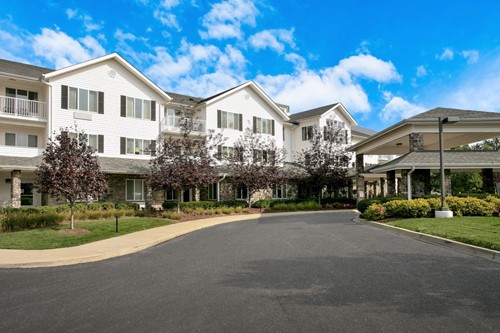 Senior Care
Ponder Creek Estates
Louisville, KY
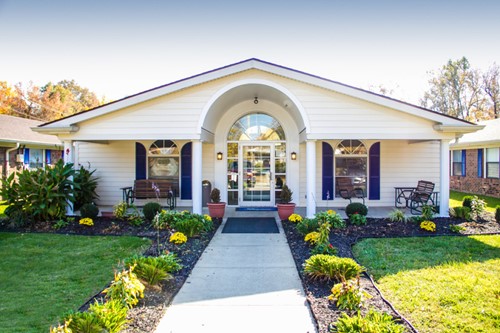 Assisted Living
Signature Healthcare Of South Louisville
Louisville, KY
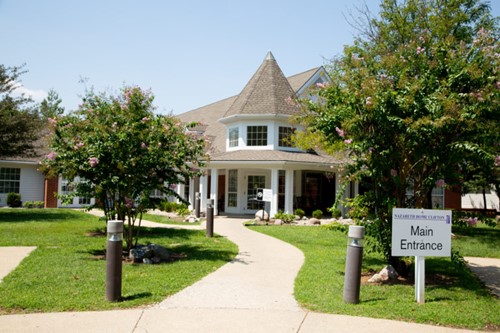 Assisted Living
Nazareth Home Clifton - Senior Living
Louisville, KY
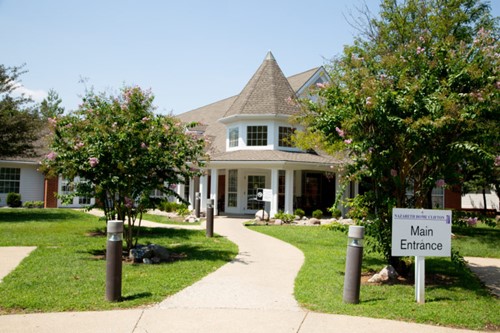 Assisted Living
Nazareth Home Clifton
Louisville, KY
City Guide
Explore Louisville
Free Quotes
Get quotes from local pros in Louisville
Tell us what you need and we’ll pass it to companies that serve your area. It’s free, and there’s no obligation.

Compare Louisville with any city
See how it stacks up on cost, income, and quality of life.
Start Comparing