



Georgetown, Kentucky, is a historic and rapidly growing city located in Scott County, known for its picturesque Victorian architecture and deep equine roots. Founded in 1784, it serves as the county seat and balances its rich heritage with modern industrial importance, most notably hosting the massive Toyota Motor Manufacturing Kentucky plant. Residents and newcomers are drawn to Georgetown for its charming small-town aesthetic, vibrant community events, and convenient proximity to both Lexington and Louisville.
Kentucky, known as the Bluegrass State, offers a blend of Southern charm and Midwestern practicality with a rich heritage rooted in horse racing, bourbon, and bluegrass music. The economy is diverse, with manufacturing (especially automotive), healthcare, and agriculture (including horses, cattle, corn, and tobacco) being major industries. Living in Kentucky is generally affordable, with the cost of living estimated to be 10-12% lower than the national average, particularly for housing. The state experiences a humid subtropical climate with four distinct seasons, featuring warm, humid summers and moderately cold, rainy winters. Residents enjoy a lifestyle that balances urban amenities in cities like Louisville and Lexington with abundant outdoor recreation opportunities and a strong sense of community.
How this 68/100 was calculated five components, with every reading behind them
| Component | Readings used | Points | Weight | Contributes |
|---|---|---|---|---|
| Safety | Safety score: 74 / 100 | 74.0 | 30% | 22.2 |
| Affordability | Cost of living index (100 = national baseline): 92.0 | 53.8 | 25% | 13.4 |
| Economy & jobs | Median household income: $68,500 Income needed to live here: $50,000 Unemployment rate: 3.8% | 74.4 | 20% | 14.9 |
| Growth | Population growth rate: 2.1% Job growth rate: 2.4% | 72.8 | 15% | 10.9 |
| Business climate assessment | Business climate assessment: 70 / 100 | 70.0 | 10% | 7.0 |
| Overall score | 68.4 | |||
Provenance.
These figures were produced by the research pass recorded as
Tier 1 (fast) (q=52, partial — below threshold), last refreshed
16 October 2026.
They are researched estimates drawn from public sources, not a licensed data feed.
Each component is scored against fixed published endpoints, so this number is comparable with any other city and does not move as the dataset grows. Scoring framework 2026.10 — full methodology, weights and accepted ranges.

Featured Events
Happening in Georgetown
Featured and sponsored events in Georgetown.
Local Directory
Businesses in Georgetown
Featured local businesses in Georgetown.

Performance
Quality Scores
Expenses
Cost of Living
The cost of living in Georgetown is generally below the national average, making it an attractive destination for families and professionals seeking affordability without sacrificing modern amenities. Housing costs, while rising due to rapid population growth driven by industrial expansion, remain relatively competitive compared to larger metropolitan hubs nearby. Everyday expenses such as groceries, utilities, and transportation also trend favorably against national benchmarks, contributing to overall financial accessibility.
Income
Salary Insights
Georgetown's economy is anchored by advanced manufacturing, automotive production, and logistics, with Toyota Motor Manufacturing Kentucky standing as the region's dominant employer. Beyond automotive manufacturing, the local economy benefits from strong education, healthcare, and retail sectors supporting its expanding residential base. The city's strategic location along major transit corridors also fosters a growing entrepreneurial and remote work community looking for lower overhead costs.
The average salary in Georgetown is $58,000 per year. You would need approximately $50,000 to live comfortably.
Employment
Top Industries
Weather
Climate
Mobility
Transport
Georgetown is primarily a car-dependent community, though its layout features accessible grid patterns in the historic core. The city benefits from close proximity to Interstate 75, providing seamless commuting access to Lexington just 15 miles to the south. While public transit options are limited, ongoing infrastructure investments aim to improve local connectivity and traffic flow as the population expands.

At a Glance
Pros & Cons
Advantages
Drawbacks
Community Q&A
Questions about Georgetown
What people ask about living in and moving to Georgetown, Kentucky.
FAQ
Frequently Asked Questions
Related
Insights about Georgetown
Senior Care in Georgetown
6 assisted living, nursing & memory care facilities in Georgetown.
 Senior Care
Active Day of Georgetown, KY
Georgetown, KY
 Assisted Living
Hometown Manor of Georgetown
Georgetown, KY
 Senior Care
Ashton Grove Senior Living
Georgetown, KY
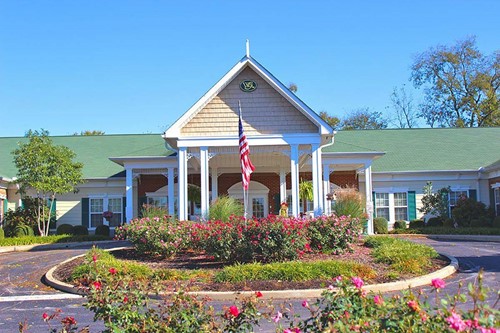 Senior Care
Windsor Gardens of Georgetown
Georgetown, KY
Harborview Dover, LLC
Georgetown, KY
Signature Healthcare Of Georgetown
Georgetown, KY
Free Quotes
Get quotes from local pros in Georgetown
Tell us what you need and we’ll pass it to companies that serve your area. It’s free, and there’s no obligation.

Compare Georgetown with any city
See how it stacks up on cost, income, and quality of life.
Start Comparing