



City Profile
Frankfort, Kentucky
USA · Comprehensive city data and intelligence
Frankfort, the capital city of Kentucky, is nestled along the picturesque banks of the Kentucky River in Franklin County. Founded in 1786 by General James Wilkinson, the city boasts a rich historical legacy deeply intertwined with early American pioneering, state government, and the historic bourbon industry. Its charming downtown features Victorian-era architecture, the iconic Old State Capitol, and the majestic French Renaissance-style State Capitol building.
Characterized by a tight-knit community feel, Frankfort offers residents a unique blend of small-town charm and the amenities of a state capital. People are drawn to the area for its scenic rolling hills, abundant green spaces, and a slower pace of life compared to larger metropolitan hubs like Louisville or Lexington. The city serves as an ideal haven for families, government professionals, and retirees seeking historical richness and natural beauty.
Kentucky, known as the Bluegrass State, offers a blend of Southern charm and Midwestern practicality with a rich heritage rooted in horse racing, bourbon, and bluegrass music. The economy is diverse, with manufacturing (especially automotive), healthcare, and agriculture (including horses, cattle, corn, and tobacco) being major industries. Living in Kentucky is generally affordable, with the cost of living estimated to be 10-12% lower than the national average, particularly for housing. The state experiences a humid subtropical climate with four distinct seasons, featuring warm, humid summers and moderately cold, rainy winters. Residents enjoy a lifestyle that balances urban amenities in cities like Louisville and Lexington with abundant outdoor recreation opportunities and a strong sense of community.
How this 61/100 was calculated five components, with every reading behind them
| Component | Readings used | Points | Weight | Contributes |
|---|---|---|---|---|
| Safety | Safety score: 74 / 100 | 74.0 | 30% | 22.2 |
| Affordability | Cost of living index (100 = national baseline): 91.0 | 55.0 | 25% | 13.8 |
| Economy & jobs | Median household income: $55,400 Income needed to live here: $48,000 Unemployment rate: 4.2% | 58.4 | 20% | 11.7 |
| Growth | Population growth rate: 0.5% Job growth rate: 1.8% | 46.8 | 15% | 7.0 |
| Business climate assessment | Business climate assessment: 67 / 100 | 67.0 | 10% | 6.7 |
| Overall score | 61.3 | |||
Provenance.
These figures were produced by the research pass recorded as
Tier 1 (fast) (q=52, partial — below threshold), last refreshed
16 October 2026.
They are researched estimates drawn from public sources, not a licensed data feed.
Each component is scored against fixed published endpoints, so this number is comparable with any other city and does not move as the dataset grows. Scoring framework 2026.10 — full methodology, weights and accepted ranges.

Featured Events
Happening in Frankfort
Featured and sponsored events in Frankfort.
Local Directory
Businesses in Frankfort
Featured local businesses in Frankfort.

Performance
Quality Scores
Expenses
Cost of Living
Frankfort maintains a cost of living that sits noticeably below the national average, making it an attractive destination for budget-conscious residents. Housing, utilities, and grocery expenses are particularly affordable compared to major US urban centers, allowing individuals and families to stretch their disposable income further. This favorable economic positioning attracts newcomers looking for homeownership opportunities without the exorbitant price tags found in coastal cities.
Downward pressure on expenses comes primarily from reasonable real estate values and modest property taxes across Franklin County. While state government employment brings stable incomes that stretch comfortably against local living costs, niche imported goods and specialized entertainment follow broader national pricing trends. Overall, the local economy offers a high purchasing power parity for those earning near or above the regional median income.
Income
Salary Insights
The job market in Frankfort is heavily anchored by public administration and state government operations, as it serves as the political heart of Kentucky. Beyond government agencies, education, healthcare, and manufacturing play crucial roles in driving local employment stability. Major regional employers include the Kentucky state government, Frankfort Regional Medical Center, Kentucky State University, and various prominent local bourbon distilleries.
While traditional sectors dominate, the city has seen incremental growth in professional services, tourism, and small business entrepreneurship. The proximity to larger job markets like Lexington and Louisville also opens up commuting possibilities for residents desiring diverse career pathways. The remote work scene benefits from expanding broadband infrastructure, appealing to telecommuters seeking affordable housing and a peaceful environment.
The average salary in Frankfort is $58,000 per year. You would need approximately $48,000 to live comfortably.
Employment
Top Industries
Weather
Climate
Mobility
Transport
Getting around Frankfort relies primarily on personal vehicles, as the city is designed around classic American automotive transit infrastructure. While public transit options like Frankfort Transit provide fixed-route bus services, coverage is limited compared to major metropolitan systems. Driving remains the most efficient way to commute, with US-60 and US-127 serving as primary arterial routes.
Walkability is high in specific pockets such as downtown Frankfort and the historic districts, where residents can easily access cafes, government offices, and local shops on foot. Average commute times are notably shorter than the national average, minimizing daily transit fatigue. Cycling is popular recreationally, though dedicated bike lane infrastructure continues to expand across the municipality.

At a Glance
Pros & Cons
Advantages
Drawbacks
Head to Head
Compare Frankfort
Community Q&A
Questions about Frankfort
What people ask about living in and moving to Frankfort, Kentucky.
Is Frankfort a safe place to live?
Crime statistics in Frankfort generally align with the state average, featuring lower rates of violent crime but varying property crime levels across neighborhoods. Residents often report a friendly community atmosphere. For up‑to‑date crime data, check the city’s public safety reports or reputable crime‑tracking websites that offer neighborhood‑level statistics.
What is the overall vibe of Frankfort for new residents?
Frankfort offers a small‑town atmosphere with a strong sense of community. Residents often describe friendly neighbors, local gatherings, and a slower pace compared to larger cities. The city balances historic charm with modern amenities, making it suitable for families, retirees, and professionals alike. Engaging in community events, visiting local shops, and exploring nearby natural areas can give newcomers a clear...
How are the public schools in Frankfort rated?
Public schools in the area receive a range of ratings, with some performing well academically and others needing improvement. Schools offer standard curricula, extracurricular activities, and support services. Parents often review district reports, school performance data, and community feedback to assess fit. Visiting schools, meeting with administrators, and consulting parent forums can provide deeper insight into...
What healthcare facilities are in Frankfort?
Frankfort hosts a range of medical centers, including primary care clinics, specialty practices, and a regional hospital that offers emergency services. These facilities provide outpatient care, diagnostic imaging, and surgical options. Patients can find provider directories on the city’s health department site or through state health resources to locate specialists and schedule appointments.
How does the cost of living in Frankfort compare to nearby cities?
Frankfort generally has a lower cost of living than larger nearby cities. Housing costs, including rent and home prices, tend to be more affordable, and everyday groceries, utilities, and transportation expenses are modest. While exact numbers vary, residents often find that their monthly budget stretches further here. For precise comparisons, look up recent cost‑of‑living indices from reputable financial websites or...
What industries provide most employment in Frankfort?
Employment in Frankfort is largely driven by government, education, healthcare, and retail sectors. Many positions are linked to the state’s administrative functions, local schools, and public health facilities. The city’s economy also supports small businesses and service industries. For job seekers, reviewing local job boards, the city’s economic development portal, and state employment resources can reveal current...
What public transportation options are available in Frankfort?
Public transit in Frankfort consists of local bus routes operated by the city’s transit authority, connecting residential areas with commercial centers, schools, and medical facilities. Service frequency varies by route, with peak‑hour schedules typically more frequent. For schedules, routes, and fare information, consult the transit authority’s website or contact their customer service center.
What types of housing are common in Frankfort?
Frankfort offers a mix of single‑family homes, townhomes, and multi‑unit apartments. The housing market includes historic residences in older neighborhoods and newer developments in expanding areas. Prices vary by size and location, with newer homes typically commanding higher rates. To explore current listings, consult local real‑estate websites or contact a regional broker familiar with the area’s inventory and mar...
What are the main attractions or activities in Frankfort?
Frankfort offers a blend of outdoor and cultural experiences. Visitors can explore parks, river trails, and local festivals that celebrate the city’s heritage. The downtown area features historic architecture, museums, and seasonal events that showcase regional art and music. For a calendar of events and park information, check the city’s tourism page or community bulletin board.
What should I know about moving into Frankfort?
When moving to Frankfort, consider the timing of utility activation, the availability of local movers, and the need for a local address for mail and services. It’s helpful to register your new address with the city’s municipal office and to explore local moving companies that can handle long‑haul shipments. Additionally, familiarize yourself with the city’s zoning regulations and property tax procedures early in the...
Some answers here were drafted as a starting point and may be out of date. Live in Frankfort? Add your own.
FAQ
Frequently Asked Questions
Businesses for Sale in Frankfort
Explore active acquisition & franchise opportunities .

Senior Care in Frankfort
9 assisted living, nursing & memory care facilities in Frankfort.
 Senior Care
Morning Pointe Senior Living
Frankfort, KY
 Assisted Living
The Lantern at Morning Pointe Frankfort
Frankfort, KY
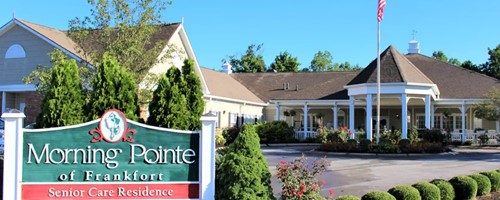 Assisted Living
Morning Pointe of Frankfort
Frankfort, KY
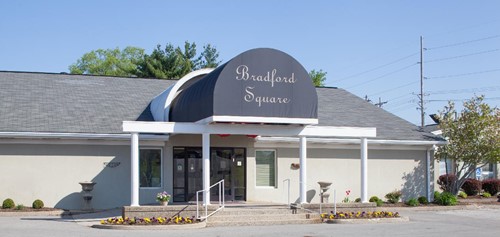 Assisted Living
Bradford Square Center
Frankfort, KY
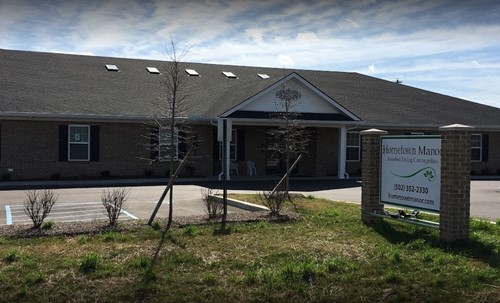 Assisted Living
Pleasant Meadow II
Frankfort, KY
Frankfort Rehab And Care, LLC
Frankfort, KY
Home Instead - Frankfort
Frankfort, KY
Ashwood Place
Frankfort, KY
Dominion of Frankfort
Frankfort, KY
Free Quotes
Get quotes from local pros in Frankfort
Tell us what you need and we’ll pass it to companies that serve your area. It’s free, and there’s no obligation.

Compare Frankfort with any city
See how it stacks up on cost, income, and quality of life.
Start Comparing