



City Profile
Nicholasville, Kentucky
USA · Comprehensive city data and intelligence
Nicholasville is a rapidly growing home rule-class city located in Jessamine County, Kentucky, acting as a prominent part of the Lexington-Fayette metropolitan area. Founded in the late 18th century and named after Colonel George Nicholas, the city blends rich Bluegrass heritage with modern suburban development. Residents and newcomers are drawn to Nicholasville for its picturesque rolling landscapes, historic downtown square, and a strong sense of community that preserves small-town charm while offering convenient proximity to Lexington.
Over the past decade, Nicholasville has experienced substantial population growth, driven by families and professionals seeking a peaceful environment, quality local schools, and relatively affordable housing options. The city features a balanced mix of historic architecture and contemporary commercial developments, particularly along the US-27 corridor. As a key economic hub in Jessamine County, Nicholasville serves as a vibrant residential and commercial center in the heart of Kentucky's horse country.
Kentucky, known as the Bluegrass State, offers a blend of Southern charm and Midwestern practicality with a rich heritage rooted in horse racing, bourbon, and bluegrass music. The economy is diverse, with manufacturing (especially automotive), healthcare, and agriculture (including horses, cattle, corn, and tobacco) being major industries. Living in Kentucky is generally affordable, with the cost of living estimated to be 10-12% lower than the national average, particularly for housing. The state experiences a humid subtropical climate with four distinct seasons, featuring warm, humid summers and moderately cold, rainy winters. Residents enjoy a lifestyle that balances urban amenities in cities like Louisville and Lexington with abundant outdoor recreation opportunities and a strong sense of community.
How this 66/100 was calculated five components, with every reading behind them
| Component | Readings used | Points | Weight | Contributes |
|---|---|---|---|---|
| Safety | Safety score: 76 / 100 | 76.0 | 30% | 22.8 |
| Affordability | Cost of living index (100 = national baseline): 92.0 | 53.8 | 25% | 13.4 |
| Economy & jobs | Median household income: $61,500 Income needed to live here: $48,000 Unemployment rate: 3.9% | 68.2 | 20% | 13.6 |
| Growth | Population growth rate: 1.5% Job growth rate: 2.2% | 63.3 | 15% | 9.5 |
| Business climate assessment | Business climate assessment: 70 / 100 | 70.0 | 10% | 7.0 |
| Overall score | 66.4 | |||
Provenance.
These figures were produced by the research pass recorded as
Tier 1 (fast) (q=52, partial — below threshold), last refreshed
16 October 2026.
They are researched estimates drawn from public sources, not a licensed data feed.
Each component is scored against fixed published endpoints, so this number is comparable with any other city and does not move as the dataset grows. Scoring framework 2026.10 — full methodology, weights and accepted ranges.

Featured Events
Happening in Nicholasville
Featured and sponsored events in Nicholasville.
Local Directory
Businesses in Nicholasville
Featured local businesses in Nicholasville.

Performance
Quality Scores
Expenses
Cost of Living
The cost of living in Nicholasville generally tracks slightly below the national average, making it an attractive destination for families and retirees looking to stretch their budgets. Housing costs, while rising due to regional demand, remain more accessible compared to nearby Lexington or larger national metropolitan areas. Everyday expenses such as groceries, utilities, and local services are quite reasonable, contributing to a comfortable lifestyle for middle-income households.
Utility costs are typically moderate, though seasonal weather variations can cause slight fluctuations in electricity and heating bills. Transportation expenses remain standard for a car-dependent Bluegrass community, with fuel prices reflecting state and national averages. Overall, the favorable balance between local wages and everyday expenses ensures a high standard of living for residents.
Income
Salary Insights
Nicholasville benefits from a diversified local economy supported by manufacturing, retail trade, healthcare services, and professional sectors. Its strategic location within the Lexington metropolitan statistical area allows many residents to commute easily into Lexington for employment while enjoying a quieter residential base. Major local employers include manufacturing plants, educational institutions, healthcare providers, and local government agencies, all providing a stable employment foundation.
Growth sectors in the region include advanced manufacturing, logistics, and healthcare services, fueled by regional economic development initiatives. The entrepreneurial climate is steadily expanding, with local business networks and municipal support encouraging small businesses and retail startups along the main commercial corridors. Remote work has also grown increasingly popular among residents who appreciate the high-speed broadband infrastructure and peaceful neighborhoods.
The average salary in Nicholasville is $58,000 per year. You would need approximately $48,000 to live comfortably.
Employment
Top Industries
Weather
Climate
Mobility
Transport
Transportation in Nicholasville is primarily automobile-oriented, with US-27 serving as the major north-south arterial connecting residents to Lexington and surrounding areas. Average commute times are reasonable, though peak-hour traffic along major commercial corridors can experience congestion. Public transit options are limited, making personal vehicle ownership standard for daily commuting and errands.
Walkability varies significantly by neighborhood; downtown Nicholasville offers pedestrian-friendly sidewalks and local storefronts, while newer suburban developments are structured primarily for vehicular traffic. Regional connectivity is enhanced by proximity to Blue Grass Airport, located just a short drive away in Lexington, facilitating convenient air travel.

At a Glance
Pros & Cons
Advantages
Drawbacks
Head to Head
Compare Nicholasville
Community Q&A
Questions about Nicholasville
What people ask about living in and moving to Nicholasville, Kentucky.
FAQ
Frequently Asked Questions
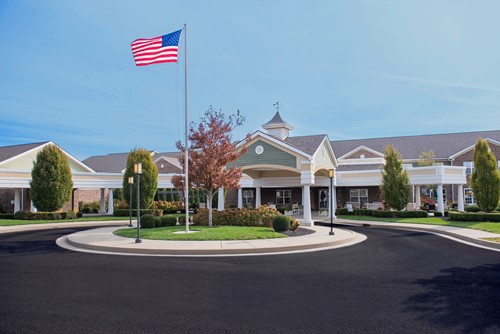
Senior Care in Nicholasville
5 assisted living, nursing & memory care facilities in Nicholasville.
 Assisted Living
Best Friends Adult Day Center
Nicholasville, KY
 Senior Care
Bridgepointe at Ashgrove Woods
Nicholasville, KY
Lifeline Health Care Of Fayette
Nicholasville, KY
Nicholasville Nursing And Rehabilitation
Nicholasville, KY
Cedarhurst of Nicholasville - Opening Fall 2022
Nicholasville, KY
Free Quotes
Get quotes from local pros in Nicholasville
Tell us what you need and we’ll pass it to companies that serve your area. It’s free, and there’s no obligation.

Compare Nicholasville with any city
See how it stacks up on cost, income, and quality of life.
Start Comparing