



City Profile
Germantown, Maryland
USA · Comprehensive city data and intelligence
Maryland, known as "America in Miniature," offers a diverse landscape from Atlantic coastlines to the Appalachian Mountains, providing a mix of urban, suburban, and rural lifestyles. The state boasts a robust economy, with major industries including information technology, biotechnology, aerospace and defense, and government, significantly influenced by its proximity to Washington D.C.. Living in Maryland generally entails a higher cost of living compared to the national average, particularly for housing and utilities, though it also features a high median household income. The climate is characterized by humid subtropical conditions with warm, humid summers and moderately cold, occasionally snowy winters, with temperatures varying between the eastern and western regions.

Featured Events
Happening in Germantown
Featured and sponsored events in Germantown.
Local Directory
Businesses in Germantown
Featured local businesses in Germantown.


Head to Head
Compare Germantown
Community Q&A
Questions about Germantown
What people ask about living in and moving to Germantown, Maryland.
What utilities should I set up before moving in?
When you move to Germalland, you’ll need to arrange for electricity and natural gas through the regional utility providers, water and sewer services via the county’s public works department, and waste collection through the municipal solid‑waste program. Internet and cable services are offered by several providers that cover the area; you can compare plans on the state’s broadband map. Most utilities allow online acc...
How does the cost of living in Germantown compare to nearby Baltimore?
Germalland’s cost of living is generally a bit lower than Baltimore’s, especially for housing and groceries. Utility rates are comparable across the region, while transportation costs may be slightly higher if you rely on personal vehicles due to longer commutes. The city’s median household income is modest, so budgeting for housing, food, and transportation should reflect the lower overall price level. For a detaile...
What types of homes are most common in Germantown?
The housing stock in Germalland is dominated by single‑family detached homes, many built in the late‑1990s and early 2000s, with a mix of townhouses and a smaller number of apartments or condos near the town center. Neighborhoods with larger lot sizes tend to be closer to the public school system, while higher‑density options are found near commercial corridors. Real‑estate listings and the county’s property tax maps...
What are the main employment sectors for residents here?
Germalland’s job market is anchored by government services, health‑care facilities, and retail, but the surrounding metropolitan area hosts a growing technology corridor with opportunities in software development, cybersecurity, and biotech. Many residents commute to nearby corporate parks or to the capital city, where larger tech firms are located. The local workforce development office and the regional chamber of c...
How are the public schools rated in Germantown?
Public schools in Germalland are administered by the county school system and generally receive average to above‑average ratings on state assessment scores. Elementary schools near residential subdivisions tend to have smaller class sizes, while middle schools serve larger catchment areas. The school district’s website provides school report cards, enrollment numbers, and performance metrics, allowing you to compare...
Is Germantown considered a safe community?
Germalland’s overall crime statistics are lower than the national average, with property crimes being the most common type reported. Violent incidents are relatively rare and tend to be concentrated in specific commercial zones rather than residential neighborhoods. The county police department publishes annual crime reports and a public safety dashboard that break down incidents by type and location. Reviewing those...
What public transit options are available for commuters?
The regional transit authority operates bus routes that connect Germalland to the capital’s metro system and major employment centers. Several express lines run during peak hours, providing a direct ride to downtown without the need for a car. Additionally, there are park‑and‑ride facilities near the main thoroughfares where you can leave your vehicle and board a bus. Schedules, fare information, and route maps are a...
Where can I find primary care and emergency services nearby?
Germalland is served by a network of primary‑care clinics and a larger hospital that offers emergency services, specialty care, and outpatient facilities. The county health department also runs community health centers that provide low‑cost preventive care and chronic‑disease management programs. To locate a provider that accepts your insurance, use the state health‑care provider directory or the hospital system’s on...
What recreational activities are popular for families?
The city maintains several large parks with playgrounds, sports fields, and hiking trails, as well as a community center that offers classes, swimming pools, and seasonal festivals. Nearby cultural venues host rotating exhibitions and family‑friendly performances throughout the year. The local events calendar, posted on the municipal website, highlights free concerts, farmers’ markets, and holiday celebrations. You c...
What’s the best time of year to move to Germantown?
The most favorable months for relocating to Germalland are late spring (May‑June) and early fall (September‑October). During these periods the weather is mild, reducing the risk of heat‑related delays or winter snow complications. Moving companies also tend to have more availability and slightly lower rates compared with peak summer months, when demand spikes due to school‑year transitions. Checking the city’s season...
Some answers here were drafted as a starting point and may be out of date. Live in Germantown? Add your own.
FAQ
Frequently Asked Questions
Senior Care in Germantown
7 assisted living, nursing & memory care facilities in Germantown.
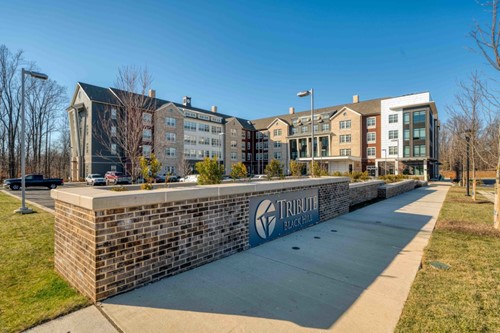 Assisted Living
Tribute at Black Hill
Germantown, MD
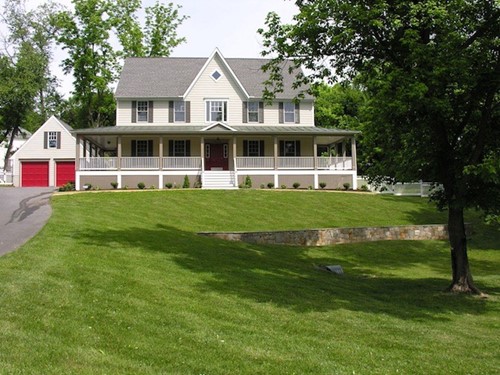 Assisted Living
Asheir Manor
Germantown, MD
Lincoln Assisted Living
Germantown, MD
Elder Care Assisted Living
Germantown, MD
Monarch Vista Assisted Living Facility
Germantown, MD
Nexthelp Place
Germantown, MD
George's Assisted Living
Germantown, MD
Free Quotes
Get quotes from local pros in Germantown
Tell us what you need and we’ll pass it to companies that serve your area. It’s free, and there’s no obligation.

Compare Germantown with any city
See how it stacks up on cost, income, and quality of life.
Start Comparing