



City Profile
Fall River, Massachusetts
USA · Comprehensive city data and intelligence
Fall River, Massachusetts, situated along the Taunton River and Mount Hope Bay, is a historic mill city renowned for its rich industrial heritage and deep Portuguese-American roots. Founded in the early 19th century, it quickly grew into a major global textile manufacturing center before transitioning into a diverse modern community. Today, the city offers residents a distinct blend of historic architecture, maritime culture, and revitalized urban spaces that celebrate its storied past while looking toward the future. People are increasingly drawn to Fall River for its relative housing affordability compared to greater Boston, its strategic coastal location, and its vibrant local community.
Massachusetts is a New England state known for its rich history, world-class educational institutions, and diverse communities. Its economy is robust, driven by major industries such as technology, healthcare, biotechnology, finance, and education. Living in Massachusetts generally comes with a high cost of living, particularly for housing, which is significantly above the national average. The state experiences a humid continental climate with distinct four seasons, including cold, snowy winters and warm, rainy summers. The lifestyle is often characterized by a fast-paced, well-educated populace that values hard work, civic responsibility, and a vibrant cultural scene.
How this 51/100 was calculated five components, with every reading behind them
| Component | Readings used | Points | Weight | Contributes |
|---|---|---|---|---|
| Safety | Safety score: 58 / 100 | 58.0 | 30% | 17.4 |
| Affordability | Cost of living index (100 = national baseline): 98.0 | 46.3 | 25% | 11.6 |
| Economy & jobs | Median household income: $53,400 Income needed to live here: $52,000 Unemployment rate: 5.8% | 40.4 | 20% | 8.1 |
| Growth | Population growth rate: 0.5% Job growth rate: 1.8% | 46.8 | 15% | 7.0 |
| Business climate assessment | Business climate assessment: 65 / 100 | 65.0 | 10% | 6.5 |
| Overall score | 50.6 | |||
Provenance.
These figures were produced by the research pass recorded as
Tier 1 (fast) (q=52, partial — below threshold), last refreshed
17 October 2026.
They are researched estimates drawn from public sources, not a licensed data feed.
Each component is scored against fixed published endpoints, so this number is comparable with any other city and does not move as the dataset grows. Scoring framework 2026.10 — full methodology, weights and accepted ranges.

Featured Events
Happening in Fall River
Featured and sponsored events in Fall River.
Local Directory
Businesses in Fall River
Featured local businesses in Fall River.

Performance
Quality Scores
Expenses
Cost of Living
The cost of living in Fall River is generally below both the Massachusetts state average and regional metropolitan benchmarks, making it an attractive destination for families and budget-conscious professionals. Housing costs, while rising in recent years due to regional demand, remain significantly more accessible than in Boston or Providence, Rhode Island. Everyday expenses such as groceries, utilities, and transportation hover closer to national norms, though Massachusetts' state tax structures and utility rates still apply. Overall, residents find that their money stretches further here than in many surrounding New England municipalities.
Income
Salary Insights
Fall River's economy is anchored by sectors such as healthcare, education, retail trade, and light manufacturing, with ongoing efforts to foster entrepreneurship and tech-adjacent businesses. Major local employers include healthcare providers, school districts, and regional manufacturing and distribution firms that leverage the city's strategic highway access. Because of its proximity to Providence and the broader South Coast rail expansions, an increasing number of residents commute to regional job centers or work remotely. The local job market continues to diversify as municipal investments improve infrastructure and downtown commercial corridors.
The average salary in Fall River is $58,000 per year. You would need approximately $52,000 to live comfortably.
Employment
Top Industries
Weather
Climate
Mobility
Transport
Getting around Fall River relies heavily on automobiles, with Interstate 195 and Route 24 providing direct connections to Providence, Boston, and Cape Cod. Public transportation is served by local bus networks operated by the Southeastern Regional Transit Authority (SRTA), connecting key residential and commercial hubs. The recent expansion of the MBTA Commuter Rail South Coast Rail project further enhances regional connectivity, linking Fall River directly to Boston. Walkability varies, with the downtown core offering pedestrian-friendly streets while outer residential neighborhoods lean more car-dependent.

At a Glance
Pros & Cons
Advantages
Drawbacks
Head to Head
Compare Fall River
Community Q&A
Questions about Fall River
What people ask about living in and moving to Fall River, Massachusetts.
How does Fall River’s cost of living compare to the national average?
Fall River’s cost of living index is 98, which is slightly below the national average of 100. This means everyday expenses—groceries, utilities, and transportation—tend to be a bit lower than in many other parts of the country. Rent is around $1,550 per month, which aligns with the city’s average housing costs, and the median salary is about $58,000 annually. Overall, you’ll find that your money stretches a little fu...
What’s the average rent for a one‑bedroom apartment in Fall River?
The average monthly rent for a one‑bedroom apartment in Fall River is approximately $1,550. This figure reflects the typical cost for a modest unit in the city. When searching for a place, consider looking at listings on local real‑estate websites or contacting residential property managers who handle rentals in the area. Be sure to compare the amenities and location of each unit, as prices can vary slightly dependin...
What are the main industries hiring in Fall River?
Fall River’s employment landscape includes manufacturing, logistics, and service sectors. Many companies in the region focus on production, distribution, and supply‑chain operations. With your background, you could explore opportunities in factories, warehouses, and transportation hubs that are common in the city. Job seekers often find openings through local employment centers, online job boards, and community netwo...
How are the public schools in Fall River rated?
Public schools in Fall River offer a range of educational programs for elementary through high school levels. Parents often review school performance through state education reports, which provide metrics such as graduation rates and standardized test scores. Additionally, local school district meetings and parent‑teacher associations offer insights into school quality and resources. Checking the district’s website a...
Is Fall River a safe place to live?
Fall River’s safety score is 58 out of 100, indicating a moderate level of safety compared to other U.S. cities. Crime rates vary by neighborhood, so it’s helpful to look at local crime statistics provided by the city’s public safety department. Residents often use neighborhood‑specific resources, such as community watch groups and local police precinct reports, to gauge safety in particular areas. Visiting neighborh...
What public transportation options are available in Fall River?
Fall River is served by regional transit services that connect to Boston and surrounding towns. These services include commuter rail lines and bus routes that operate on a regular schedule. The city’s transit authority offers schedules, fare information, and route maps online, which can help you plan your commute. Additionally, many residents use ride‑share apps or car‑pooling options to supplement public transit, es...
Where can I find quality healthcare in Fall River?
Fall River hosts several medical facilities that provide primary care, urgent care, and specialty services. Patients often consult local health directories or the city’s health department website to locate clinics and hospitals. These resources list services such as cardiology, orthopedics, and pediatric care. For specialist appointments, patients typically schedule through their primary provider or use online appoin...
What are some popular local attractions in Fall River?
Fall River offers a mix of cultural, historical, and recreational attractions suitable for families. Visitors often explore museums that showcase local heritage, waterfront parks with scenic views, and community events held in downtown plazas. Seasonal festivals and farmers’ markets provide additional entertainment options. Checking the city’s tourism page or local event calendars can help you discover upcoming activ...
What should I know about moving into Fall River?
When moving to Fall River, start by researching the neighborhoods that fit your lifestyle and budget. Look into local utilities, waste collection schedules, and the availability of services such as internet and cable. It’s also useful to familiarize yourself with the city’s parking regulations and public transportation options. Many residents find it helpful to visit the city’s official website for moving checklists...
What’s the overall vibe of Fall River for new residents?
Fall River is known for its strong community spirit and historic charm. Residents often describe a welcoming atmosphere with a mix of cultural diversity and family‑friendly neighborhoods. Community events, local markets, and public spaces contribute to a sense of belonging. Newcomers typically find that engaging with neighborhood groups and attending city-sponsored events helps them integrate quickly into the local s...
Some answers here were drafted as a starting point and may be out of date. Live in Fall River? Add your own.
FAQ
Frequently Asked Questions
Senior Care in Fall River
13 assisted living, nursing & memory care facilities in Fall River.
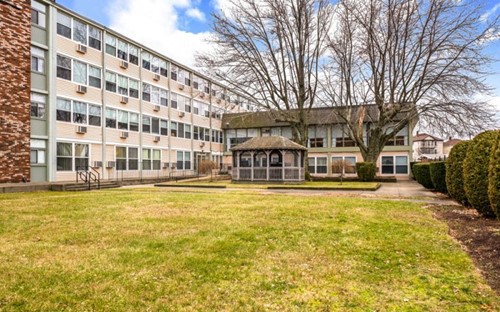 Senior Care
Prosper at Fall River
Fall River, MA
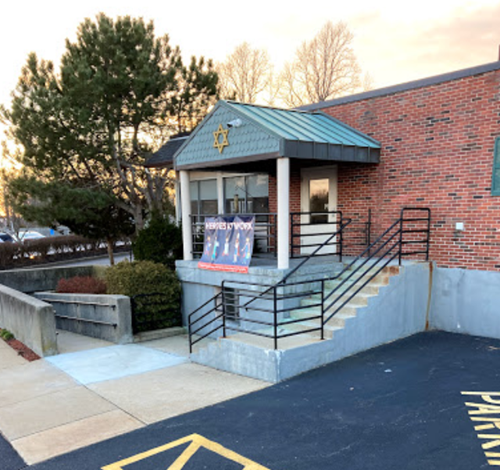 Assisted Living
Fall River Jewish Home, Inc
Fall River, MA
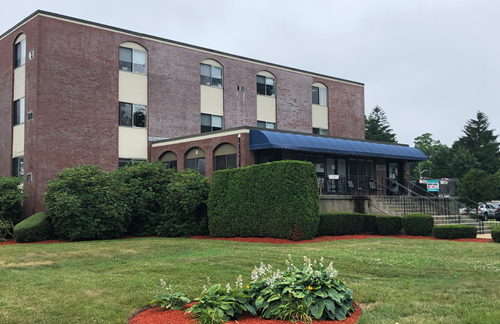 Assisted Living
Revolution Kimwell
Fall River, MA
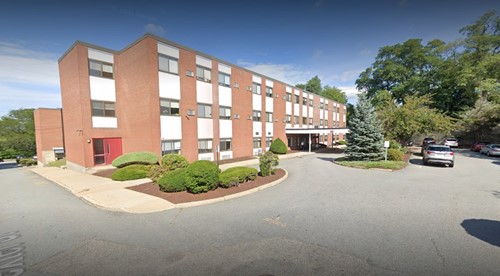 Assisted Living
Fall River Healthcare
Fall River, MA
 Assisted Living
Catholic Memorial Home
Fall River, MA
Bristol Hospice LLC
Fall River, MA
Kindred Hospice
Fall River, MA
Kindred At Home
Fall River, MA
Southpointe Rehab Center
Fall River, MA
Carvalho Grove Health And Rehabilitation Center
Fall River, MA
Hanover Hospice
Fall River, MA
Sarah S Brayton Center
Fall River, MA
City Guide
Explore Fall River
Free Quotes
Get quotes from local pros in Fall River
Tell us what you need and we’ll pass it to companies that serve your area. It’s free, and there’s no obligation.

Compare Fall River with any city
See how it stacks up on cost, income, and quality of life.
Start Comparing