



City Profile
Malden, Massachusetts
USA · Comprehensive city data and intelligence
Malden, Massachusetts is a vibrant, historically rich city located just five miles north of downtown Boston in Middlesex County. Settled by Puritans in 1640 and later incorporated as a manufacturing hub, Malden has evolved into a diverse and sought-after residential gateway for the Greater Boston metropolitan area. The city successfully blends its historic New England character with modern urban renewal, highlighted by a revitalized downtown core featuring mixed-use developments, popular restaurants, and cultural spaces. People are drawn to Malden for its exceptional commuter accessibility, vibrant multicultural community, and relative value compared to neighboring Boston and Cambridge.
Massachusetts is a New England state known for its rich history, world-class educational institutions, and diverse communities. Its economy is robust, driven by major industries such as technology, healthcare, biotechnology, finance, and education. Living in Massachusetts generally comes with a high cost of living, particularly for housing, which is significantly above the national average. The state experiences a humid continental climate with distinct four seasons, including cold, snowy winters and warm, rainy summers. The lifestyle is often characterized by a fast-paced, well-educated populace that values hard work, civic responsibility, and a vibrant cultural scene.
How this 52/100 was calculated five components, with every reading behind them
| Component | Readings used | Points | Weight | Contributes |
|---|---|---|---|---|
| Safety | Safety score: 74 / 100 | 74.0 | 30% | 22.2 |
| Affordability | Cost of living index (100 = national baseline): 138.0 | 0.0 | 25% | 0.0 |
| Economy & jobs | Median household income: $100,606 Income needed to live here: $68,000 Unemployment rate: 3.6% | 82.5 | 20% | 16.5 |
| Growth | Population growth rate: 0.12% Job growth rate: 1.8% | 42.0 | 15% | 6.3 |
| Business climate assessment | Business climate assessment: 71 / 100 | 71.0 | 10% | 7.1 |
| Overall score | 52.1 | |||
Provenance.
These figures were produced by the research pass recorded as
Gemini (Tier 2 (reasoned), q=74), last refreshed
11 October 2026.
They are researched estimates drawn from public sources, not a licensed data feed.
Each component is scored against fixed published endpoints, so this number is comparable with any other city and does not move as the dataset grows. Scoring framework 2026.10 — full methodology, weights and accepted ranges.

Featured Events
Happening in Malden
Featured and sponsored events in Malden.
Local Directory
Businesses in Malden
Featured local businesses in Malden.

Performance
Quality Scores
Expenses
Cost of Living
The cost of living in Malden is elevated compared to the national average, primarily driven by high housing, real estate, and energy demands across the Greater Boston region. While it is more expensive than the U.S. baseline, Malden generally offers a more accessible financial entry point than Boston or Cambridge, making it a favored alternative for professionals seeking proximity to the urban core without peak pricing. Everyday expenses such as groceries, healthcare, and transportation also track slightly above national figures, mirroring regional economic trends in eastern Massachusetts.
Income
Salary Insights
Malden's economy benefits from its strategic placement within the robust Greater Boston labor market, with seamless access to top-tier employment centers in healthcare, biotechnology, education, and professional services. While many residents commute into Boston or Cambridge, the local business ecosystem features a thriving mix of small businesses, retail shops, and dining establishments anchored by the Malden Chamber of Commerce. The city's economic resilience is supported by a highly educated local workforce, ongoing commercial developments, and strong entrepreneurial support networks. Remote work is also prevalent among residents employed by tech and financial institutions throughout Middlesex County.
The average salary in Malden is $72,000 per year. You would need approximately $68,000 to live comfortably.
Employment
Top Industries
Weather
Climate
Mobility
Transport
Malden is exceptionally well-connected for transit users and drivers alike, anchored by the MBTA Orange Line stations at Malden Center and Oak Grove, which provide direct subway access into downtown Boston. The city also features comprehensive bus networks and major roadways like Route 60 and Route 28. With an overall Walk Score of 73, downtown Malden is very walkable, allowing residents to complete daily errands on foot.

At a Glance
Pros & Cons
Advantages
Drawbacks
Head to Head
Compare Malden
Community Q&A
Questions about Malden
What people ask about living in and moving to Malden, Massachusetts.
FAQ
Frequently Asked Questions
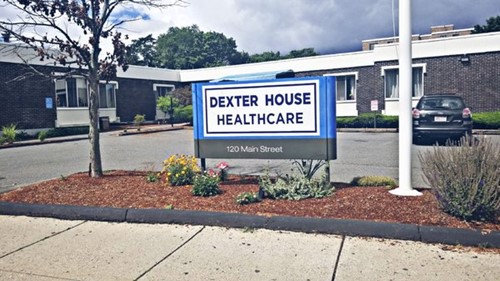
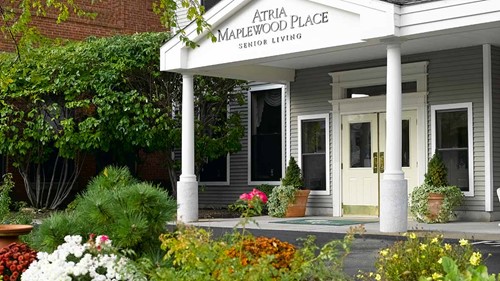
Senior Care in Malden
4 assisted living, nursing & memory care facilities in Malden.
Free Quotes
Get quotes from local pros in Malden
Tell us what you need and we’ll pass it to companies that serve your area. It’s free, and there’s no obligation.

Compare Malden with any city
See how it stacks up on cost, income, and quality of life.
Start Comparing