



City Profile
Newton, Massachusetts
USA · Comprehensive city data and intelligence
Newton, Massachusetts, known as the 'Garden City', is an affluent suburban city located just 7 miles west of downtown Boston. Originally settled in the late 1600s as part of Cambridge Village, it was officially incorporated as a town in 1688 and later as a city in 1873. Characterized by its unique patchwork of thirteen distinct villages rather than a single downtown center, Newton offers a rich architectural heritage featuring historic Victorian homes alongside modern estates. People frequently move to Newton for its exceptional public school system, plentiful green spaces, and its perfect balance of peaceful suburban living with immediate proximity to the economic and cultural hubs of Greater Boston.
Massachusetts is a New England state known for its rich history, world-class educational institutions, and diverse communities. Its economy is robust, driven by major industries such as technology, healthcare, biotechnology, finance, and education. Living in Massachusetts generally comes with a high cost of living, particularly for housing, which is significantly above the national average. The state experiences a humid continental climate with distinct four seasons, including cold, snowy winters and warm, rainy summers. The lifestyle is often characterized by a fast-paced, well-educated populace that values hard work, civic responsibility, and a vibrant cultural scene.
How this 60/100 was calculated five components, with every reading behind them
| Component | Readings used | Points | Weight | Contributes |
|---|---|---|---|---|
| Safety | Safety score: 88 / 100 | 88.0 | 30% | 26.4 |
| Affordability | Cost of living index (100 = national baseline): 158.0 | 0.0 | 25% | 0.0 |
| Economy & jobs | Median household income: $160,411 Income needed to live here: $78,000 Unemployment rate: 3.1% | 93.1 | 20% | 18.6 |
| Growth | Population growth rate: 0.5% Job growth rate: 1.8% | 46.8 | 15% | 7.0 |
| Business climate assessment | Business climate assessment: 82 / 100 | 82.0 | 10% | 8.2 |
| Overall score | 60.2 | |||
Provenance.
These figures were produced by the research pass recorded as
Tier 1 (fast) (q=52, partial — below threshold), last refreshed
16 October 2026.
They are researched estimates drawn from public sources, not a licensed data feed.
Each component is scored against fixed published endpoints, so this number is comparable with any other city and does not move as the dataset grows. Scoring framework 2026.10 — full methodology, weights and accepted ranges.

Featured Events
Happening in Newton
Featured and sponsored events in Newton.
Local Directory
Businesses in Newton
Featured local businesses in Newton.

Performance
Quality Scores
Expenses
Cost of Living
The cost of living in Newton is significantly higher than the national average, driven primarily by housing demand, excellent educational amenities, and its prime location near Boston. Property values and monthly rental rates rank among the highest in Massachusetts, reflecting the city's strong desirability and limited housing inventory. While everyday goods, dining, and utility expenses align with standard metropolitan Boston pricing, the overall financial barrier to entry remains steep for prospective residents. High median household incomes help cushion these expenses for established residents, but affordability continues to be a central challenge for middle-income families and young professionals.
Income
Salary Insights
Newton's economy is robust and deeply integrated with the broader Greater Boston knowledge economy, benefiting from a highly educated workforce and proximity to world-class universities. While the city functions largely as an upscale residential suburb, it hosts major corporate campuses, healthcare providers, and high-tech enterprises, particularly along the Route 128 corridor. Prominent industry sectors include professional and scientific services, healthcare, education, and finance. The local remote work scene is vibrant, with many residents commuting into Boston or Cambridge part-time while utilizing local co-working spaces and cafes for remote days.
The average salary in Newton is $92,000 per year. You would need approximately $78,000 to live comfortably.
Employment
Top Industries
Weather
Climate
Mobility
Transport
Getting around Newton is convenient via a mix of public transit, major highways, and pedestrian-friendly village centers. The MBTA Green Line (specifically the B, C, and D branches) connects multiple Newton villages directly to downtown Boston, complemented by an extensive network of commuter rail stations and local bus routes. For motorists, the Massachusetts Turnpike (I-90) and Route 128 (I-95) intersect the city, though rush hour congestion heading toward Boston remains a daily reality. The city has also invested heavily in bike lanes and pedestrian pathways to improve active transportation scores across its neighborhoods.

At a Glance
Pros & Cons
Advantages
Drawbacks
Head to Head
Compare Newton
Community Q&A
Questions about Newton
What people ask about living in and moving to Newton, Massachusetts.
FAQ
Frequently Asked Questions
Senior Care in Newton
14 assisted living, nursing & memory care facilities in Newton.
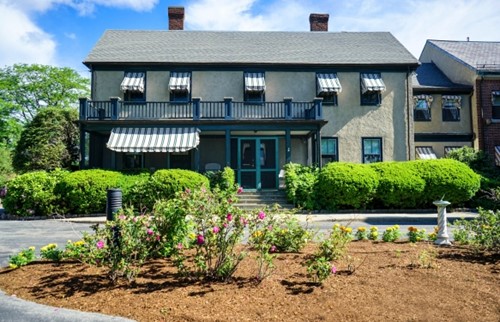 Assisted Living
The Pettee House at Newton
Newton, MA
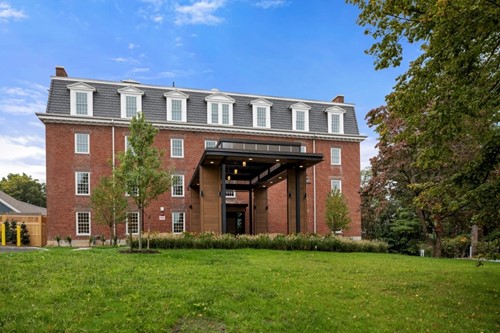 Assisted Living
Adelaide of Newton Centre
Newton, MA
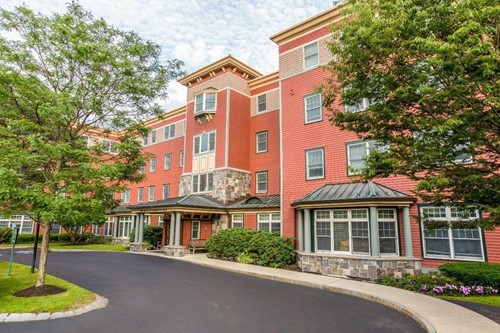 Assisted Living
The Falls at Cordingly Dam
Newton, MA
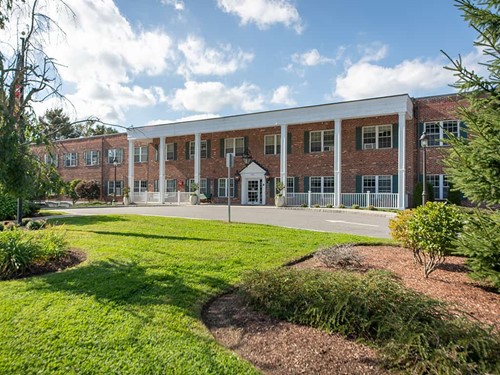 Assisted Living
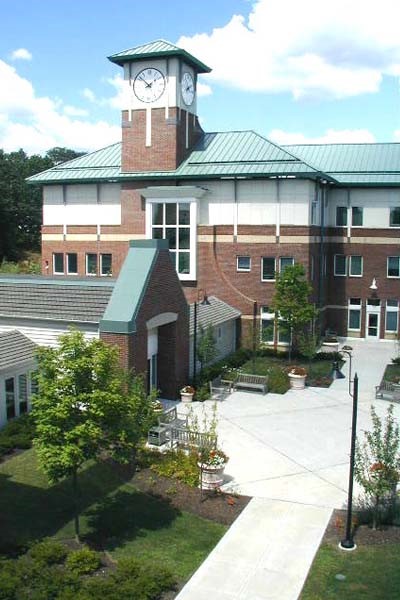
Care One At Newton
Newton, MA
 Assisted Living
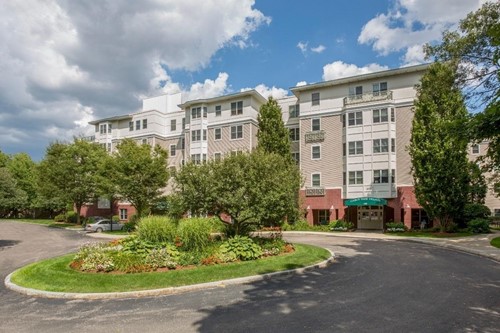
Lasell House
Newton, MA
 Senior Care
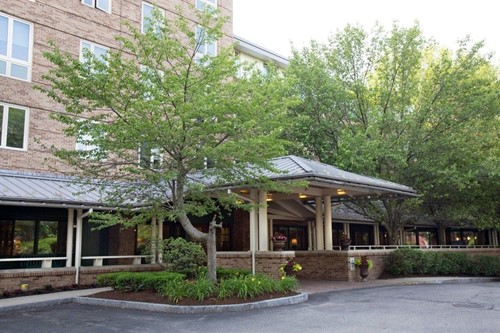
Cabot Park Village
Newton, MA
 Assisted Living
Evans Park at Newton Corner
Newton, MA
Assisted Living
The Pettee House at Newton
Newton, MA
Assisted Living
Adelaide of Newton Centre
Newton, MA
Assisted Living
The Falls at Cordingly Dam
Newton, MA
Assisted Living
Care One At Newton
Newton, MA
Assisted Living
Lasell House
Newton, MA
Free Quotes
Get quotes from local pros in Newton
Tell us what you need and we’ll pass it to companies that serve your area. It’s free, and there’s no obligation.

Compare Newton with any city
See how it stacks up on cost, income, and quality of life.
Start Comparing