



City Profile
Milford, New Hampshire
USA · Comprehensive city data and intelligence
New Hampshire, known as the "Granite State," offers a blend of scenic beauty, small-town charm, and a strong sense of community, appealing to those seeking outdoor recreation and a peaceful lifestyle. The economy is diverse, with major industries including smart manufacturing/high technology, healthcare, and tourism. While the cost of living is generally 10-15% above the national average, driven by higher housing costs and property taxes, residents benefit from no state income or sales tax. The state experiences distinct seasons, with cold, snowy winters and warm summers, and its lifestyle emphasizes independence and outdoor activities.

Featured Events
Happening in Milford
Featured and sponsored events in Milford.
Local Directory
Businesses in Milford
Featured local businesses in Milford.


Community Q&A
Questions about Milford
What people ask about living in and moving to Milford, New Hampshire.
What are the average home prices and rent levels in Milford?
The median home price in Milford is about $374,000, which is above the national median but typical for New England suburban markets. Single‑family homes range from roughly $250,000 to $500,000, depending on size, lot, and condition. The median monthly rent for a standard apartment is $1,500, with one‑bedroom units usually around $1,200 and two‑bedroom units near $1,800. Prices can fluctuate, so checking local real‑es...
What recreational activities can I find in Milford?
Milford offers a variety of outdoor recreation, including parks, walking trails, and seasonal events such as farmers’ markets and holiday festivals. The town’s parks department maintains playgrounds, sports fields, and picnic areas. Community centers host classes, concerts, and holiday celebrations, creating a vibrant local culture. Checking the town’s calendar or community bulletin board will give you the latest sch...
Is Milford a safe place to live?
Milford’s crime statistics are below the national average for violent crime and comparable for property crime. The community has a low incidence of major incidents, and residents often cite a strong sense of neighborly vigilance. Local law‑enforcement agencies maintain a presence in the town, and neighborhood watch programs are active. For detailed, up‑to‑date crime data, refer to the city’s public safety reports or...
What healthcare facilities are nearby Milford?
Milford has access to several medical clinics and urgent‑care centers within the town limits. For more comprehensive services, including specialty care and hospitals, residents typically travel to larger nearby cities that host regional medical centers. The town’s health department provides information on local providers and can direct you to the nearest facilities that meet your specific health needs.
How does Milford's cost of living compare to the national average?
Milford's cost‑of‑living index is 111.0, meaning it is about 11% higher than the national average. Housing costs, especially home prices and rents, are the biggest contributors. Utilities, groceries, and transportation are roughly on par with national averages. If your salary is similar to the national median, you may find that your purchasing power is slightly reduced, but many residents find the trade‑off worthwhil...
What kinds of jobs are available in Milford?
Milford’s employment landscape is diverse, with significant sectors in healthcare, education, retail, and local government. Many residents commute to nearby larger towns for additional opportunities, especially in specialized medical roles or administrative positions. Local employers include hospitals, schools, and municipal offices. To find openings that match your background, search the city’s official employment p...
How are the public schools in Milford rated?
Milford’s public schools are generally well regarded, with a focus on strong academic programs and extracurricular activities. The school district provides a mix of elementary, middle, and high schools that emphasize STEM, arts, and athletics. Parent reviews and state education reports often highlight solid test scores and dedicated staff. For the most current ratings and enrollment data, consult the state’s educatio...
What public transportation options are available in Milford?
Milford is served by a regional transit authority that offers bus routes connecting the town to neighboring cities and major employment centers. The schedule includes weekday peak‑time service and limited evening routes. While the town’s public transit is modest, it provides reliable access to shopping, medical facilities, and commuter rail stations. For route maps, schedules, and fare information, visit the transit...
What should I know about moving into Milford during the winter?
Winter in Milford can bring snow and icy conditions, so plan for potential delays in transportation and utility setup. It’s wise to schedule moving services a few days before the holiday rush and to confirm that the moving company is equipped for winter weather. Additionally, ensure that your new home’s heating system is operational before arrival, and keep an emergency kit with blankets, a flashlight, and non‑perish...
What is the overall vibe of Milford for families?
Milford is known for its small‑town feel, friendly neighbors, and a strong sense of community. The town hosts regular events that bring residents together, and local schools emphasize student development. The pace is slower than in nearby cities, offering a quieter environment for families. Residents often appreciate the blend of rural charm with convenient access to urban amenities. Visiting the town, attending a co...
Some answers here were drafted as a starting point and may be out of date. Live in Milford? Add your own.
FAQ
Frequently Asked Questions
Senior Care in Milford
10 assisted living, nursing & memory care facilities in Milford.
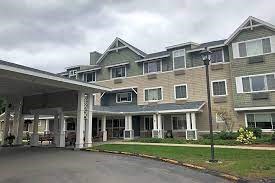 Senior Care
Ledgewood Bay
Milford, NH
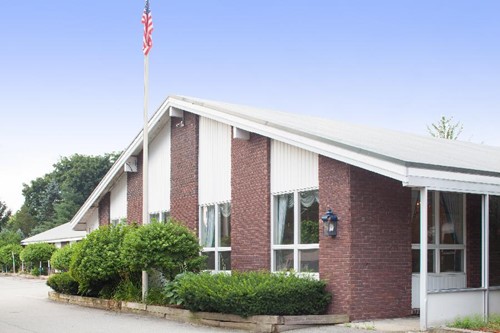 Assisted Living
Crestwood Center
Milford, NH
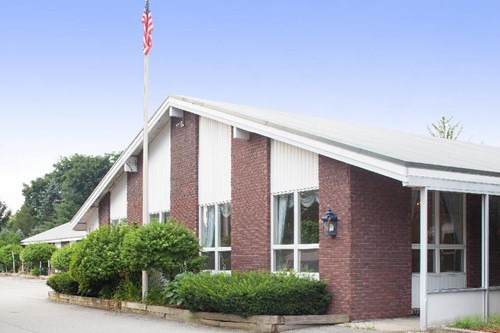 Assisted Living
Crestwood Center
Milford, NH
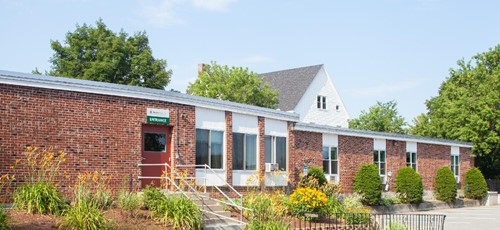 Assisted Living
The Elms Center
Milford, NH
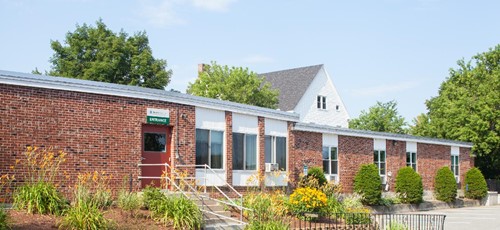 Assisted Living
The Elms Center
Milford, NH
Senior Care
Ledgewood Bay
Milford, NH
Assisted Living
Crestwood Center
Milford, NH
Assisted Living
Crestwood Center
Milford, NH
Assisted Living
The Elms Center
Milford, NH
Assisted Living
The Elms Center
Milford, NH
Free Quotes
Get quotes from local pros in Milford
Tell us what you need and we’ll pass it to companies that serve your area. It’s free, and there’s no obligation.

Compare Milford with any city
See how it stacks up on cost, income, and quality of life.
Start Comparing