



City Profile
Freeport, New York
USA · Comprehensive city data and intelligence
New York, USA, is a diverse state offering both the fast-paced, culturally rich environment of New York City and the more tranquil, naturally beautiful landscapes of upstate regions. The state's economy, the third largest in the U.S., is heavily driven by service-providing sectors, with finance, healthcare, and professional and business services being major industries, particularly in NYC. Living costs are significantly higher than the national average, especially in New York City where housing is a primary expense, though more affordable options exist upstate. The climate ranges from humid continental in upstate areas with cold, snowy winters and warm summers, to a humid subtropical climate in the New York City metropolitan area, characterized by hot, humid summers and moderately cold winters. The lifestyle varies from the constant energy and extensive cultural, dining, and career opportunities of NYC to a slower pace with abundant outdoor recreation in other parts of the state.

Featured Events
Happening in Freeport
Featured and sponsored events in Freeport.
Local Directory
Businesses in Freeport
Featured local businesses in Freeport.


Head to Head
Compare Freeport
Community Q&A
Questions about Freeport
What people ask about living in and moving to Freeport, New York.
What are the typical rent prices for a two‑bedroom apartment in Freeport?
Rent for a two‑bedroom unit in Freeport generally falls between $1,500 and $2,200 per month, depending on location and amenities. Prices can be higher near waterfront areas or in newer developments. Check online rental listings and local real‑estate agents for current market rates. The city’s official website often publishes annual housing reports that provide up‑to‑date averages.
Is Freeport a safe place to live?
Crime statistics in Freeport are generally lower than the national average for similar-sized communities. Most incidents are non‑violent and occur in specific neighborhoods. The city’s police department publishes annual crime reports that break down types of incidents and locations. Reviewing those reports will give you a clear picture of safety trends.
What are the main attractions or activities in Freeport?
Freeport features waterfront parks, walking trails, and seasonal festivals that celebrate local culture. The harbor area hosts boating and fishing activities, while nearby parks offer hiking and picnic spots. The city’s tourism page lists annual events, recreational facilities, and nature preserves that cater to outdoor enthusiasts.
How does the cost of living in Freeport compare to nearby cities?
Freeport’s cost of living is slightly higher than the national average, mainly due to housing and utilities. Groceries and transportation costs are comparable to other Long Island communities. If you’re budgeting, consider allocating a larger portion for rent or mortgage and utilities. For a detailed comparison, look up the cost‑of‑living index on reputable economic research sites or the local municipal website.
What industries are most common for employment in Freeport?
Freeport hosts a mix of retail, logistics, healthcare, and small‑business sectors. The waterfront area supports shipping and distribution roles, while local retail centers offer sales and customer‑service positions. Healthcare facilities in the region provide nursing, administrative, and support jobs. For specific openings, consult the city’s employment portal or local job boards that list openings by industry.
How are the public schools in Freeport rated?
Public schools in Freeport receive mixed evaluations, with some schools performing above the state average and others below. They offer standard curricula with extracurricular programs. For detailed ratings, visit the state education department’s school report cards or the school district’s website, which publishes performance metrics, graduation rates, and parent reviews.
Where can I find medical care in Freeport?
Freeport hosts several medical clinics and urgent‑care centers that provide primary care, dental, and specialty services. Emergency medical services are available within the city and the surrounding region, with response times comparable to other Long Island communities. The city’s health department website lists all licensed providers and facilities, including contact details and service offerings.
What should I know about moving into Freeport?
When moving to Freeport, you’ll need to register your vehicle and obtain a new driver’s license within the state’s timeframe. The city’s official website provides a moving checklist, including utilities setup, trash collection schedules, and local ordinances. It’s also helpful to research local moving companies that operate in the area and check their reviews online.
What public transportation options are available in Freeport?
Freeport offers bus routes that connect to nearby towns and the regional rail system, providing access to major employment centers. The city’s transit authority operates several local routes with schedules posted online. For detailed timetables and fare information, consult the transit authority’s website or the city’s transportation page.
What is the overall vibe of Freeport?
Freeport has a relaxed, family‑friendly atmosphere with a strong sense of community. Residents enjoy a mix of suburban living and waterfront access, with local events that bring neighbors together. The city’s community centers, libraries, and volunteer groups reflect this inclusive spirit. Visiting the city’s official website or local forums can give you a sense of community values and upcoming neighborhood gathering...
Some answers here were drafted as a starting point and may be out of date. Live in Freeport? Add your own.
FAQ
Frequently Asked Questions
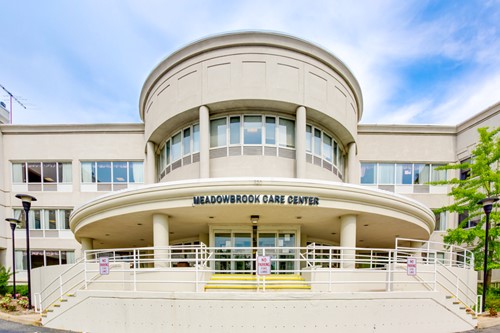
Senior Care in Freeport
2 assisted living, nursing & memory care facilities in Freeport.
Free Quotes
Get quotes from local pros in Freeport
Tell us what you need and we’ll pass it to companies that serve your area. It’s free, and there’s no obligation.

Compare Freeport with any city
See how it stacks up on cost, income, and quality of life.
Start Comparing