



City Profile
Troy, New York
USA · Comprehensive city data and intelligence
New York, USA, is a diverse state offering both the fast-paced, culturally rich environment of New York City and the more tranquil, naturally beautiful landscapes of upstate regions. The state's economy, the third largest in the U.S., is heavily driven by service-providing sectors, with finance, healthcare, and professional and business services being major industries, particularly in NYC. Living costs are significantly higher than the national average, especially in New York City where housing is a primary expense, though more affordable options exist upstate. The climate ranges from humid continental in upstate areas with cold, snowy winters and warm summers, to a humid subtropical climate in the New York City metropolitan area, characterized by hot, humid summers and moderately cold winters. The lifestyle varies from the constant energy and extensive cultural, dining, and career opportunities of NYC to a slower pace with abundant outdoor recreation in other parts of the state.

Featured Events
Happening in Troy
Featured and sponsored events in Troy.
Local Directory
Businesses in Troy
Featured local businesses in Troy.


Head to Head
Compare Troy
Community Q&A
Questions about Troy
What people ask about living in and moving to Troy, New York.
What cultural attractions can I visit in Troy?
Troy offers a variety of cultural venues, including art galleries, performance spaces, and historic sites. The downtown area features a theater that hosts plays, concerts, and film screenings, while several museums focus on regional history, industrial heritage, and fine arts. Additionally, the city hosts festivals and farmers’ markets throughout the year. Checking the city’s tourism website or event calendars will p...
How does Troy’s cost of living compare to nearby cities?
Troy’s overall cost of living is slightly lower than that of larger nearby cities like Albany or Schenectady, particularly in housing and transportation. Grocery prices, utilities, and childcare costs are comparable to regional averages. However, certain services such as dining out or specialty retail may be priced similarly to the larger urban centers. Reviewing cost‑of‑living calculators and local price indexes can...
What industries are hiring most in Troy right now?
Troy’s economy is diverse, with significant employment in manufacturing, healthcare, education, and professional services. Many companies in the region are expanding their production lines and hiring skilled technicians. Additionally, the proximity to larger cities provides access to corporate offices and logistics firms that often recruit locally. Check regional job boards, the city’s economic development office, an...
Is Troy a safe place to live?
Crime statistics for Troy show a mix of property and violent incidents that are comparable to other mid‑size cities in the region. Neighborhoods vary, with some areas experiencing higher rates of burglary or vandalism, while others have lower crime levels. Residents often rely on community watch programs and local police precincts for safety. Reviewing recent crime data from the city’s public safety portal can give y...
What public transportation options are available in Troy?
Troy is served by regional bus routes that connect to nearby cities, and a commuter rail line provides service to the capital and surrounding suburbs. The rail schedule typically includes morning and evening peak trips, with additional off‑peak services on weekends. For detailed timetables and fare information, check the city’s transit authority website or the regional transportation agency’s portal.
What healthcare facilities are in Troy?
The city hosts several hospitals, specialty clinics, and urgent care centers that offer a range of services from primary care to advanced diagnostics. Many facilities are part of larger health networks that provide coordinated care and electronic health records. To find providers that accept your insurance and specialize in your condition, consult the state’s health department listings or the local medical associatio...
What’s the best time of year to move into Troy?
Moving to Troy is generally smoother during the late fall and early spring when weather is mild and demand for rentals and real estate is lower. During summer and winter holidays, traffic congestion and higher housing prices can increase stress. Planning your move in the off‑season can also give you more flexibility with moving companies and better rates on temporary storage.
What’s the weather like in Troy throughout the year?
Troy experiences a humid continental climate with four distinct seasons. Summers are warm, with average highs in the mid‑80s, while winters can be cold, with temperatures often dropping below freezing and occasional snowfall. Spring and fall are transitional, offering moderate temperatures and variable precipitation. Checking the state’s meteorological service for long‑term averages can give you a detailed seasonal o...
What’s the average cost of a 2‑bedroom apartment in Troy?
Rental prices for a 2‑bedroom unit in Troy typically range from about $1,200 to $1,600 per month, depending on location, building age, and amenities. Units in the downtown core or near the university tend to be on the higher end, while those on the outskirts or in older neighborhoods can be more affordable. Look at local listings on real‑estate portals and contact property managers to get current availability and neg...
How are the public schools in Troy rated?
Public schools in Troy generally receive mixed reviews, with some schools earning higher ratings for academic performance and others showing room for improvement. Performance can vary by grade level and specific school. Parents often look at standardized test scores, graduation rates, and extracurricular offerings. For the most up‑to‑date ratings, consult the state’s education department website and local school dist...
Some answers here were drafted as a starting point and may be out of date. Live in Troy? Add your own.
FAQ
Frequently Asked Questions
Senior Care in Troy
14 assisted living, nursing & memory care facilities in Troy.
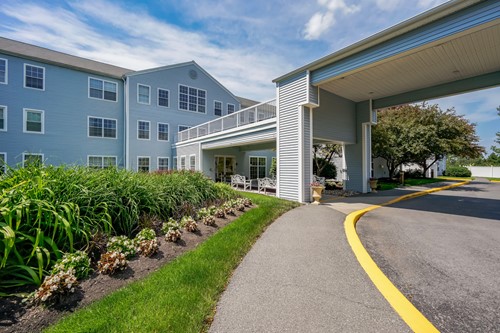 Senior Care
Diamond Ridge
Troy, NY
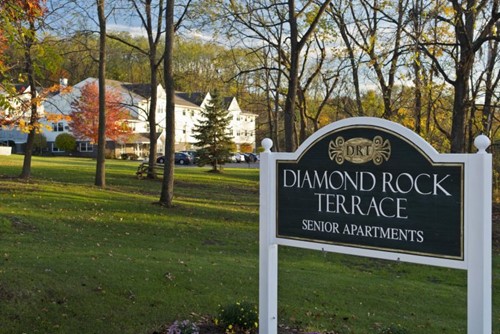 Senior Care
Diamond Rock Terrace
Troy, NY
 Assisted Living
The Pines at Heartwood
Troy, NY
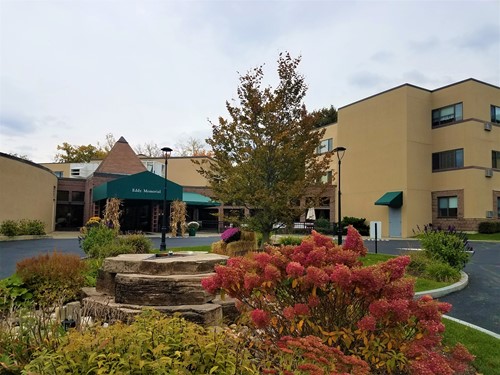 Assisted Living
Eddy Memorial Geriatric Center
Troy, NY
 Senior Care
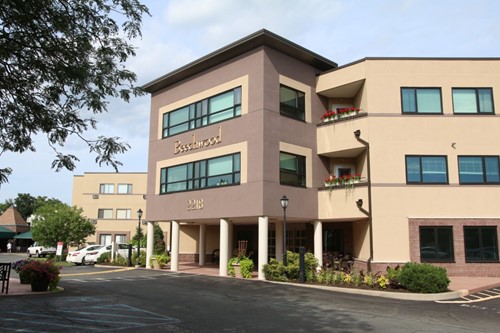
Beechwood - at Eddy Memorial
Troy, NY
 Assisted Living
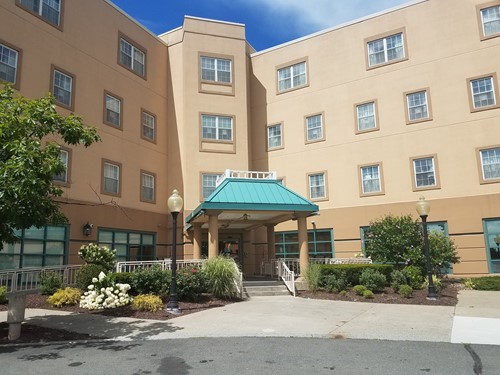
Eddy Heritage House Nursing And Rehabilitation Ctr
Troy, NY
 Assisted Living
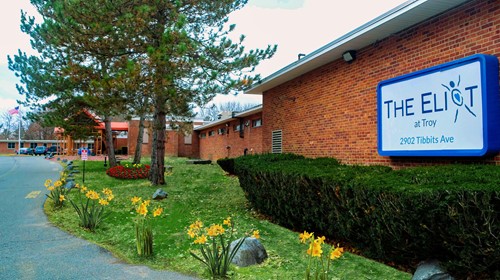
The Eliot at Troy, LLC
Troy, NY
Collar City Nursing And Rehabilitation Center
Troy, NY
Eddy Visiting Nurse & Rehab Association
Troy, NY
The Terrace at The Eddy Memorial
Troy, NY
Nichols Family Type Home for Adults
Troy, NY
Canterbury House
Troy, NY
City Guide
Explore Troy
Free Quotes
Get quotes from local pros in Troy
Tell us what you need and we’ll pass it to companies that serve your area. It’s free, and there’s no obligation.

Compare Troy with any city
See how it stacks up on cost, income, and quality of life.
Start Comparing