



City Profile
Cleveland, Ohio
USA · Comprehensive city data and intelligence
Ohio, located in the Midwest, is characterized by a blend of urban centers and rural landscapes, offering a balance of city amenities and small-town charm. The state's economy is robust and diverse, with manufacturing being a significant sector, particularly in plastics, rubber, fabricated metals, and automobiles. Other major industries include financial activities, healthcare, education, and bioscience, with growing technology and logistics sectors. Living in Ohio is generally affordable, with the cost of living, especially housing, being lower than the national average. The climate is continental, featuring four distinct seasons with hot, humid summers and cold, snowy winters, and precipitation occurring year-round.

Featured Events
Happening in Cleveland
Featured and sponsored events in Cleveland.
Local Directory
Businesses in Cleveland
Featured local businesses in Cleveland.


Head to Head
Compare Cleveland
Community Q&A
Questions about Cleveland
What people ask about living in and moving to Cleveland, Ohio.
What are the most affordable neighborhoods for families in Cleveland?
Affordability in Cleveland varies by district. Areas on the east side and some parts of the south side offer lower median rents and home prices while still providing access to parks and community centers. Look for neighborhoods that have a mix of single‑family homes and townhomes, and compare recent sales data from local real estate listings. Neighborhood safety and school quality can be cross‑checked via the city’s...
What industries are hiring the most in Cleveland right now?
The technology and healthcare sectors are the strongest employers in Cleveland, with many firms offering hybrid or remote options. In addition, the manufacturing and logistics industries have a steady demand for skilled workers. Check local job boards and the city’s economic development website for listings that specify work arrangements and salary ranges. Networking events hosted by the business community can also p...
How do public schools in Cleveland rank compared to neighboring states?
Public schools in Cleveland perform at a range of levels, with some districts achieving above‑average test scores and others needing improvement. Statewide rankings show that while a few schools are in the top quartile, many fall in the middle range. For a precise assessment, review the state department of education’s report cards, which include metrics like graduation rates, college readiness, and teacher qualificat...
Is Cleveland safe for night‑time walking?
Safety varies by neighborhood. Downtown and some residential districts have lower crime rates and better lighting, making them safer for evening walks. Other areas, especially certain parts of the south side, report higher incidents of property crime. Consult the city’s public safety portal for recent crime statistics and neighborhood heat maps. Additionally, community watch programs and local volunteer groups can pr...
How reliable is public transit in Cleveland for commuting?
Public transit operates on a network of buses and a regional rail line that connect downtown with suburban areas. Service frequency is generally good on major routes, but travel times can increase during peak hours. The transit authority publishes real‑time schedules and service alerts on its website, and a mobile app offers trip planning. For commuters, consider a monthly pass, which offers cost savings over single...
What are the options for specialty medical care in Cleveland?
Cleveland hosts several large medical centers that offer a wide range of specialty services, including cardiology, oncology, and orthopedics. These centers are affiliated with academic institutions and provide advanced diagnostics and treatment options. To find the right facility, use the city’s health department directory, which lists hospitals by specialty and includes patient reviews. Scheduling a consultation wit...
How does the cost of living in Cleveland compare to the national average?
Cleveland’s cost of living is roughly 10% below the national average. Housing, groceries, and utilities tend to be cheaper, while healthcare costs are close to the national average. This means a typical salary that covers rent and basic expenses in Cleveland can go further than in many larger metros. For a detailed breakdown, check the latest data from the U.S. Bureau of Economic Analysis and local cost‑of‑living cal...
What cultural events happen in Cleveland every summer?
The summer season in Cleveland features a mix of festivals, outdoor concerts, and art exhibitions. Major events include a large music festival in the downtown park, a food and craft fair on the riverfront, and a series of open‑air theater performances in the park district. Seasonal farmers’ markets and street fairs also offer local food and crafts. Checking the city’s event calendar and local community boards provide...
What are the best times of year to move to Cleveland?
Spring and early fall are typically the most comfortable times to relocate. During these seasons, temperatures are mild, and precipitation is moderate, making road travel and moving logistics easier. Winter can bring snow and ice, which may delay transportation and increase moving costs. Summer offers longer daylight hours but can be hot, especially in July and August. Planning a move in late March or September often...
What is the overall vibe of Cleveland for young professionals?
Cleveland has a growing arts scene, a revitalized downtown, and a mix of historic and modern neighborhoods. Young professionals often appreciate the affordable housing, access to cultural institutions, and the city’s emphasis on community events. The local economy supports a range of industries, and there are numerous networking groups and co‑working spaces. The city’s public spaces, such as riverfront parks and comm...
Some answers here were drafted as a starting point and may be out of date. Live in Cleveland? Add your own.
FAQ
Frequently Asked Questions
Businesses for Sale in Cleveland
Explore active acquisition & franchise opportunities .
Senior Care in Cleveland
61 assisted living, nursing & memory care facilities in Cleveland.
 Senior Care
Acacia Place Adult Day Center
Cleveland, OH
 Senior Care
Community Partnership on Aging
Cleveland, OH
 Senior Care
Western Reserve Area Agency on Aging
Cleveland, OH
 Senior Care
Judson Senior Living
Cleveland, OH
 Senior Care
Malachi House
Cleveland, OH
 Senior Care
Algart Health Care Inc.
Cleveland, OH
 Senior Care
Cedarwood Plaza
Cleveland, OH
 Senior Care
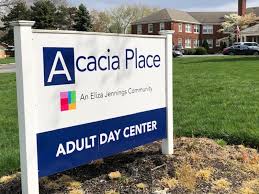
Acacia Place Adult Day Center
Cleveland, OH
 Senior Care
Medicore Transport & Achievement Centers
Cleveland, OH
 Senior Care
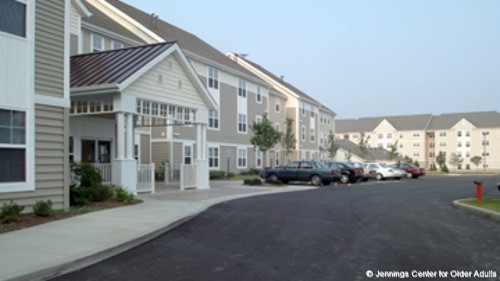
St. Agnes Terrace Apartments
Cleveland, OH
 Assisted Living
St. Augustine Health Campus - Towers Assisted Living
Cleveland, OH
 Assisted Living
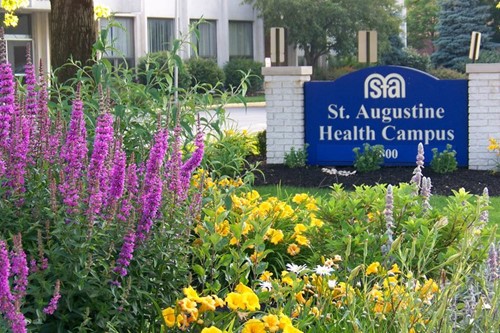
St Augustine Manor
Cleveland, OH
City Guide
Explore Cleveland
Free Quotes
Get quotes from local pros in Cleveland
Tell us what you need and we’ll pass it to companies that serve your area. It’s free, and there’s no obligation.

Compare Cleveland with any city
See how it stacks up on cost, income, and quality of life.
Start Comparing