



City Profile
Leesburg, Virginia
USA · Comprehensive city data and intelligence
Leesburg is a historic and vibrant town serving as the county seat of Loudoun County, Virginia. Situated at the foot of Catoctin Mountain and near the Potomac River, it beautifully blends rich 18th-century heritage with modern economic vitality. People are drawn to Leesburg for its picturesque, walkable downtown area filled with brick-lined sidewalks, specialty boutiques, craft breweries, and fine dining. It offers a tight-knit community feel while providing high-end amenities and proximity to the greater Washington, D.C. metropolitan area.
Virginia, a Mid-Atlantic state, offers a diverse character ranging from its historic eastern regions to the Appalachian Mountains in the west. Its economy is well-balanced and diverse, with major industries including professional, scientific, and technical services, healthcare, retail trade, and a significant defense and government contracting sector, particularly in Northern Virginia. While the cost of living can be high in areas like Northern Virginia, it is generally considered moderate statewide, with more affordable options in other regions. The state experiences all four distinct seasons, with warm summers and generally mild winters, and offers a lifestyle that blends urban amenities with abundant outdoor activities and rich historical sites.
How this 63/100 was calculated five components, with every reading behind them
| Component | Readings used | Points | Weight | Contributes |
|---|---|---|---|---|
| Safety | Safety score: 85 / 100 | 85.0 | 30% | 25.5 |
| Affordability | Cost of living index (100 = national baseline): 128.0 | 8.8 | 25% | 2.2 |
| Economy & jobs | Median household income: $145,205 Income needed to live here: $75,000 Unemployment rate: 3.3% | 91.9 | 20% | 18.4 |
| Growth | Population growth rate: 0.9% Job growth rate: 2.4% | 57.8 | 15% | 8.7 |
| Business climate assessment | Business climate assessment: 78 / 100 | 78.0 | 10% | 7.8 |
| Overall score | 62.5 | |||
Provenance.
These figures were produced by the research pass recorded as
Gemini (ungrounded) (q=55, partial — below threshold), last refreshed
17 October 2026.
They are researched estimates drawn from public sources, not a licensed data feed.
Each component is scored against fixed published endpoints, so this number is comparable with any other city and does not move as the dataset grows. Scoring framework 2026.10 — full methodology, weights and accepted ranges.

Featured Events
Happening in Leesburg
Featured and sponsored events in Leesburg.
Local Directory
Businesses in Leesburg
Featured local businesses in Leesburg.

Performance
Quality Scores
Expenses
Cost of Living
The cost of living in Leesburg is notably higher than the national average, driven primarily by strong housing demand, high median incomes, and its affluent location within Loudoun County. Residents experience elevated housing expenses, whether renting or buying, as well as premium costs for services, dining, and local property taxes. While everyday necessities like groceries and utilities align closer to regional mid-Atlantic standards, housing and real estate costs remain the single biggest factor pushing household expenditures up.
Income
Salary Insights
Leesburg boasts a robust and diversified economy fueled by professional services, technology, healthcare, and advanced manufacturing sectors. As part of Loudoun County's dynamic business corridor, the area benefits from proximity to major tech hubs, government contracting, and Dulles International Airport. The local workforce is highly educated and skilled, with a large concentration of professionals in management, STEM, and remote-working fields. Major employers and local business parks consistently drive strong economic resilience and employment opportunities.
The average salary in Leesburg is $92,000 per year. You would need approximately $75,000 to live comfortably.
Employment
Top Industries
Weather
Climate
Mobility
Transport
While Leesburg is largely car-dependent for daily errands, its road network connects efficiently via Route 7 and Route 15 to the broader Dulles technology corridor and D.C. commuter routes. Public transit options include local commuter buses, though most residents drive or use private vehicles for daily commutes. The average commute time hovers around 25 to 28 minutes, and the historic downtown core remains remarkably pedestrian-friendly.

At a Glance
Pros & Cons
Advantages
Drawbacks
Head to Head
Compare Leesburg
Community Q&A
Questions about Leesburg
What people ask about living in and moving to Leesburg, Virginia.
What industries employ most people in Leesburg?
Leesburg’s economy is diverse, with significant employment in professional services, healthcare, education, and retail. The proximity to Washington, D.C. also means many residents commute to federal agencies, contractors, and tech firms in the capital. Local job boards and the county’s economic development office provide listings and resources for tech and other sectors.
What are the typical home prices in Leesburg?
Home prices in Leesburg vary by neighborhood and property type. Single‑family homes often range from the mid‑$200,000s to over $500,000, while townhomes and condos can start around $150,000. Prices tend to be higher near historic districts and parks. For the most accurate and up‑to‑date listings, consult real‑estate websites that aggregate local MLS data or contact a local realtor who specializes in the area.
Is Leesburg more expensive than nearby cities?
Leesburg generally has a lower cost of living than Washington, D.C. and many nearby suburbs. Housing, groceries, and utilities are typically less expensive, while transportation costs may be similar due to commuting to the city. For a detailed comparison, use cost‑of‑living calculators that include local price indices and consult the U.S. Census Bureau’s data for the region.
How do the public schools in Leesburg rank?
Leesburg’s public schools are managed by the county’s school district, which includes elementary, middle, and high schools. Performance varies by school, but many receive above‑average ratings on state assessments. Parents can review school profiles, standardized test scores, and parent reviews on the district’s website or through state education portals.
Is Leesburg a safe place to live?
Crime statistics for Leesburg show lower rates of violent crime compared to national averages, with most incidents involving property crimes. Neighborhoods near historic downtown and newer developments tend to have active community watch programs. For up‑to‑date crime data, check the local police department’s public reports or state crime databases.
What healthcare facilities are nearby?
Leesburg hosts several medical centers, including a general hospital, specialty clinics, and urgent care facilities. These provide a range of services from primary care to emergency treatment. For specific provider lists and patient reviews, consult the county health department’s directory or reputable health‑care review sites.
What are the main attractions in Leesburg?
Leesburg offers a historic downtown with shops, restaurants, and cultural venues, as well as parks and trails along the Potomac River. Seasonal festivals, farmers markets, and outdoor concerts are common. The city’s tourism office publishes a calendar of events and guides to nearby natural attractions.
What public transit options are available in Leesburg?
Leesburg is served by a regional bus system that connects to major hubs and a commuter rail line that provides service to Washington, D.C. The rail schedule offers frequent trips during peak hours, and the bus network links residential areas to the station. Check the transit authority’s website for real‑time schedules, fare information, and route maps.
What should I know about moving to Leesburg?
When moving to Leesburg, consider the county’s residential permitting requirements, utility transfer procedures, and local zoning rules. It’s helpful to register your vehicle with the state’s motor vehicle office and update your voter registration. For detailed instructions, visit the county’s official website, which offers moving checklists and contact information for utility providers.
What is the climate like in Leesburg?
Leesburg experiences a humid subtropical climate with hot, humid summers and mild to cool winters. Average high temperatures in July reach the mid‑80s°F, while January lows average around the low 20s°F. Rainfall is fairly evenly distributed throughout the year, and the area can see occasional snow events in winter. For detailed weather statistics, check the National Weather Service’s local forecast data.
Some answers here were drafted as a starting point and may be out of date. Live in Leesburg? Add your own.
FAQ
Frequently Asked Questions
Senior Care in Leesburg
9 assisted living, nursing & memory care facilities in Leesburg.
 Assisted Living
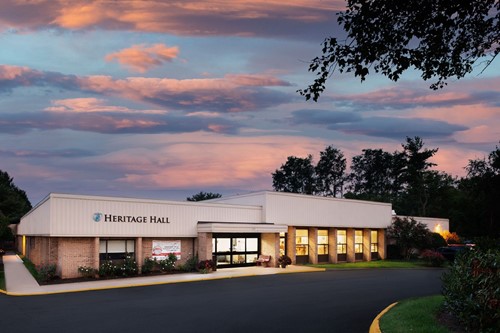
Heritage Hall Leesburg
Leesburg, VA
Spring Arbor of Leesburg VA
Leesburg, VA
Sunrise of Leesburg
Leesburg, VA
Loudoun Nursing And Rehab Cntr
Leesburg, VA
Home Helpers Home Care - Leesburg
Leesburg, VA
Home Instead - Leesburg, VA
Leesburg, VA
Visiting Angels - Northern Virginia
Leesburg, VA
Morningside House of Leesburg
Leesburg, VA
Always Best Care - Leesburg
Leesburg, VA
Free Quotes
Get quotes from local pros in Leesburg
Tell us what you need and we’ll pass it to companies that serve your area. It’s free, and there’s no obligation.

Compare Leesburg with any city
See how it stacks up on cost, income, and quality of life.
Start Comparing