



City Profile
Brighton, Colorado
USA · Comprehensive city data and intelligence
Brighton, Colorado, is a vibrant and historic municipality located primarily in Adams County, with a portion extending into Weld County, serving as the Adams County seat. Founded in 1887 and originally known as Hughes Station, the city grew out of an agricultural hub along the South Platte River into a thriving suburban community of the Denver metropolitan area. Today, Brighton successfully balances its rich agricultural roots with modern residential developments, commercial expansion, and a commitment to preserving its small-town charm. People frequently move to Brighton for its relative housing affordability compared to Denver or Boulder, its expansive park systems, and its welcoming, family-friendly atmosphere.
Colorado is characterized by its diverse geography, ranging from the Rocky Mountains to the Eastern Plains, offering a lifestyle that blends natural beauty with community charm and extensive outdoor recreation opportunities. The state's economy is robust and diversified, with major industries including aerospace, bioscience, technology, energy and natural resources, financial services, and a strong tourism sector. Living in Colorado is generally more expensive than the national average, with housing costs being a primary driver. The climate is diverse, featuring four distinct seasons with abundant sunshine, though it can experience rapid weather shifts, including hot summers, cold winters, and occasional extreme weather events like flash floods and strong winds.
How this 65/100 was calculated five components, with every reading behind them
| Component | Readings used | Points | Weight | Contributes |
|---|---|---|---|---|
| Safety | Safety score: 71 / 100 | 71.0 | 30% | 21.3 |
| Affordability | Cost of living index (100 = national baseline): 102.0 | 41.3 | 25% | 10.3 |
| Economy & jobs | Median household income: $85,000 Income needed to live here: $60,000 Unemployment rate: 3.8% | 77.3 | 20% | 15.5 |
| Growth | Population growth rate: 2.1% Job growth rate: 2.4% | 72.8 | 15% | 10.9 |
| Business climate assessment | Business climate assessment: 70 / 100 | 70.0 | 10% | 7.0 |
| Overall score | 65.0 | |||
Provenance.
These figures were produced by the research pass recorded as
Tier 1 (fast) (q=52, partial — below threshold), last refreshed
15 October 2026.
They are researched estimates drawn from public sources, not a licensed data feed.
Each component is scored against fixed published endpoints, so this number is comparable with any other city and does not move as the dataset grows. Scoring framework 2026.10 — full methodology, weights and accepted ranges.

Featured Events
Happening in Brighton
Featured and sponsored events in Brighton.
Local Directory
Businesses in Brighton
Featured local businesses in Brighton.

Performance
Quality Scores
Expenses
Cost of Living
The cost of living in Brighton generally aligns close to the national average, though it tends to be slightly more affordable than the broader Denver-Aurora-Lakewood metropolitan statistical area. Housing costs, while having risen significantly over the past decade due to regional growth, remain a primary driver of household budgets, balancing between single-family neighborhoods and newer planned developments. Everyday expenses such as utilities, groceries, and transportation track closely with typical Colorado urban-suburban trends, making it an attractive destination for commuters seeking reasonable value.
Income
Salary Insights
Brighton's local economy is anchored by a diverse mix of government services, agriculture, manufacturing, healthcare, and retail trade. As the Adams County seat, public sector employment provides a stable baseline of professional jobs, while the city's strategic location along major transportation corridors like I-76 and US-85 attracts logistics and light manufacturing firms. Additionally, many residents participate in the wider Denver metro area's robust labor market, engaging in hybrid or remote work arrangements as well as commuting to nearby employment centers like Denver International Airport.
The average salary in Brighton is $71,000 per year. You would need approximately $60,000 to live comfortably.
Employment
Top Industries
Weather
Climate
Mobility
Transport
Transportation in Brighton is heavily car-dependent, with most residents relying on personal vehicles to navigate the city and commute to the greater Denver area via key routes like Interstate 76 and Highway 85. Public transit options include local services and regional connections provided by the Regional Transportation District (RTD), linking commuters to light rail and bus networks. The city continues to invest in pedestrian infrastructure, expanding bike lanes and sidewalk networks to improve walkability within residential zones and commercial districts.

At a Glance
Pros & Cons
Advantages
Drawbacks
Head to Head
Compare Brighton
Community Q&A
Questions about Brighton
What people ask about living in and moving to Brighton, Colorado.
FAQ
Frequently Asked Questions
Senior Care in Brighton
6 assisted living, nursing & memory care facilities in Brighton.
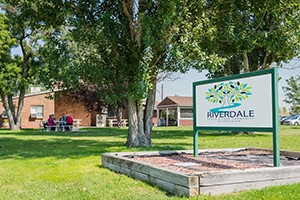 Assisted Living
Riverdale Rehab And Care Community Of Brighton
Brighton, CO
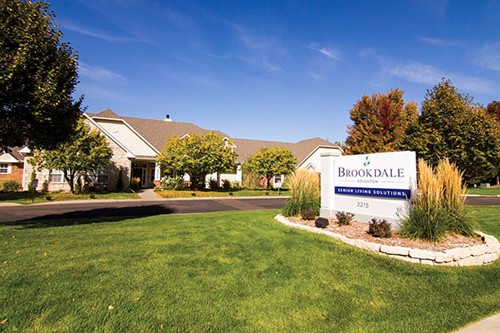 Assisted Living
Brookdale Brighton
Brighton, CO
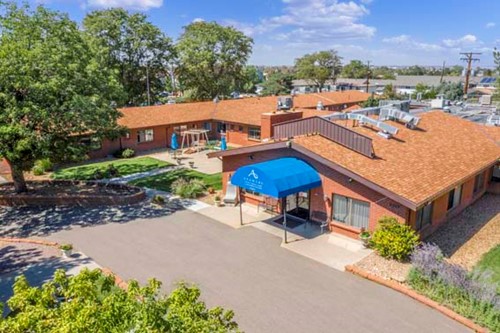 Assisted Living
Avamere Transitional Care and Rehabilitation - Brighton
Brighton, CO
Mountain View Gardens
Brighton, CO
Inglenook At Brighton
Brighton, CO
Visiting Angels - Brighton
Brighton, CO
Free Quotes
Get quotes from local pros in Brighton
Tell us what you need and we’ll pass it to companies that serve your area. It’s free, and there’s no obligation.

Compare Brighton with any city
See how it stacks up on cost, income, and quality of life.
Start Comparing