



City Profile
Evansville, Indiana
USA · Comprehensive city data and intelligence
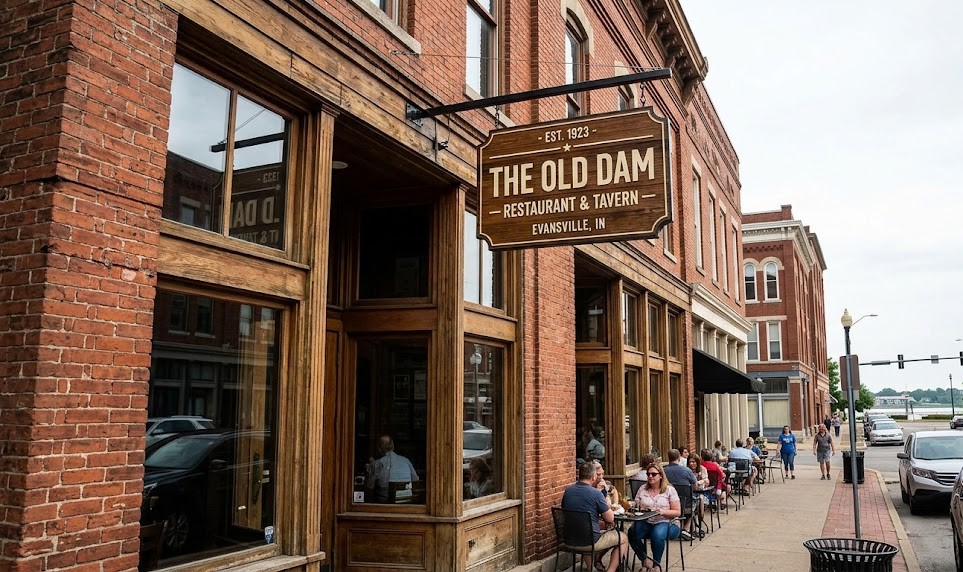
Evansville is the economic hub of southwestern Indiana, situated gracefully along a sweeping bend of the Ohio River. Founded in 1812, the city boasts a rich history intertwined with river commerce, manufacturing, and coal mining, eventually evolving into a modern regional center. Today, Evansville offers a unique blend of Midwestern hospitality, historic neighborhoods, and contemporary amenities like the Ford Center and the Haynie's Corner Arts District. People are drawn to the area for its remarkable economic stability, affordable cost of living, and a strong sense of community that provides a welcoming environment for families and professionals alike.
Indiana, known as the "Hoosier State," offers a practical and community-oriented lifestyle with a cost of living generally below the national average. Its economy is diverse, with major industries including advanced manufacturing (automotive, steel, pharmaceuticals, medical devices), agriculture (corn, soybeans, hogs), life sciences, and logistics. The state experiences a humid continental climate, characterized by hot, muggy summers and cold, snowy winters, with spring and fall offering more moderate temperatures. Residents often value a relaxed pace of life, strong community ties, and access to outdoor activities and major metropolitan areas.
How this 59/100 was calculated five components, with every reading behind them
| Component | Readings used | Points | Weight | Contributes |
|---|---|---|---|---|
| Safety | Safety score: 62 / 100 | 62.0 | 30% | 18.6 |
| Affordability | Cost of living index (100 = national baseline): 88.0 | 58.8 | 25% | 14.7 |
| Economy & jobs | Median household income: $53,500 Income needed to live here: $45,000 Unemployment rate: 3.9% | 62.4 | 20% | 12.5 |
| Growth | Population growth rate: 0.2% Job growth rate: 1.5% | 40.0 | 15% | 6.0 |
| Business climate assessment | Business climate assessment: 71 / 100 | 71.0 | 10% | 7.1 |
| Overall score | 58.9 | |||
Provenance.
These figures were produced by the research pass recorded as
Tier 1 (fast) (q=52, partial — below threshold), last refreshed
16 October 2026.
They are researched estimates drawn from public sources, not a licensed data feed.
Each component is scored against fixed published endpoints, so this number is comparable with any other city and does not move as the dataset grows. Scoring framework 2026.10 — full methodology, weights and accepted ranges.

Featured Events
Happening in Evansville
Featured and sponsored events in Evansville.
Local Directory
Businesses in Evansville
Featured local businesses in Evansville.

Performance
Quality Scores
Expenses
Cost of Living
The cost of living in Evansville is notably lower than the national average, making it an attractive destination for budget-conscious families and first-time homebuyers. Housing costs, in particular, sit well below national benchmarks, allowing residents to secure significantly more square footage for their money compared to major coastal metros. Everyday expenses such as groceries, utilities, and transportation also track below national medians, alleviating common financial pressures seen elsewhere in the country.
While everyday goods and real estate remain exceptionally affordable, certain specialized services and imported goods reflect standard national pricing. Utility costs can fluctuate seasonally, driven by humid summers and chilly winters, but efficient municipal utilities help keep baseline expenses manageable. Overall, the local economic climate enables residents to enjoy a comfortable lifestyle with greater disposable income relative to their earnings.
Income
Salary Insights
Evansville serves as the primary medical, commercial, and cultural anchor for the Tri-State area encompassing Indiana, Kentucky, and Illinois. The local economy is anchored by robust healthcare and manufacturing sectors, featuring major regional employers like Deaconess Health System, Ascension St. Vincent, and Toyota Indiana. Advanced manufacturing, logistics, and financial services further diversify the employment landscape, offering steady career opportunities across multiple experience levels.
The remote work scene has also found a comfortable footing in Evansville, supported by expanding broadband infrastructure and a growing community of remote professionals seeking affordable living spaces. The city's economic development initiatives continue to foster entrepreneurship and downtown revitalization, attracting small businesses and tech startups to the urban core. This dynamic creates a resilient job market with steady employment growth and ample room for career advancement.
The average salary in Evansville is $54,000 per year. You would need approximately $45,000 to live comfortably.
Employment
Top Industries
Weather
Climate
Mobility
Transport
Getting around Evansville is primarily car-dependent, with an expansive roadway network that ensures manageable commute times across the metropolitan area. Major thoroughfares like the Lloyd Expressway and Interstate 69 facilitate efficient travel across town, keeping average commute times well below the national average. Traffic congestion is generally minimal, restricted mostly to standard rush-hour windows near major industrial and commercial hubs.
Public transportation is provided by METS (Metropolitan Evansville Transit System), offering fixed-bus routes throughout the city, though service frequency varies outside core corridors. For active transportation advocates, the expanding Evansville Urban Transportation Greenway connects key parks and residential zones, supporting cycling and walking. Regional connectivity is further enhanced by the Evansville Regional Airport, providing convenient air travel options.

At a Glance
Pros & Cons
Advantages
Drawbacks
Head to Head
Compare Evansville
Community Q&A
Questions about Evansville
What people ask about living in and moving to Evansville, Indiana.
FAQ
Frequently Asked Questions
Businesses for Sale in Evansville
Explore active acquisition & franchise opportunities .
Senior Care in Evansville
2 assisted living, nursing & memory care facilities in Evansville.


City Guide
Explore Evansville
Free Quotes
Get quotes from local pros in Evansville
Tell us what you need and we’ll pass it to companies that serve your area. It’s free, and there’s no obligation.

Compare Evansville with any city
See how it stacks up on cost, income, and quality of life.
Start Comparing