



City Profile
Terre Haute, Indiana
USA · Comprehensive city data and intelligence
Terre Haute, Indiana, serves as the economic and cultural hub of the Wabash Valley region, deeply rooted in its industrial history and educational prominence. Originally established along the Wabash River, the city's name translates from French as 'high land,' reflecting its geographic position above the floodplain. Today, it balances a charming Midwestern small-town atmosphere with modern developments, anchored by higher education institutions like Indiana State University and Rose-Hulman Institute of Technology. Residents and newcomers are drawn to the area for its welcoming community spirit, historic architecture, and steady pace of life.
Indiana, known as the "Hoosier State," offers a practical and community-oriented lifestyle with a cost of living generally below the national average. Its economy is diverse, with major industries including advanced manufacturing (automotive, steel, pharmaceuticals, medical devices), agriculture (corn, soybeans, hogs), life sciences, and logistics. The state experiences a humid continental climate, characterized by hot, muggy summers and cold, snowy winters, with spring and fall offering more moderate temperatures. Residents often value a relaxed pace of life, strong community ties, and access to outdoor activities and major metropolitan areas.
How this 58/100 was calculated five components, with every reading behind them
| Component | Readings used | Points | Weight | Contributes |
|---|---|---|---|---|
| Safety | Safety score: 62 / 100 | 62.0 | 30% | 18.6 |
| Affordability | Cost of living index (100 = national baseline): 84.0 | 63.8 | 25% | 15.9 |
| Economy & jobs | Median household income: $47,500 Income needed to live here: $42,000 Unemployment rate: 4.1% | 57.6 | 20% | 11.5 |
| Growth | Population growth rate: 0.2% Job growth rate: 1.1% | 36.0 | 15% | 5.4 |
| Business climate assessment | Business climate assessment: 63 / 100 | 63.0 | 10% | 6.3 |
| Overall score | 57.7 | |||
Provenance.
These figures were produced by the research pass recorded as
Tier 1 (fast) (q=52, partial — below threshold), last refreshed
15 October 2026.
They are researched estimates drawn from public sources, not a licensed data feed.
Each component is scored against fixed published endpoints, so this number is comparable with any other city and does not move as the dataset grows. Scoring framework 2026.10 — full methodology, weights and accepted ranges.

Featured Events
Happening in Terre Haute
Featured and sponsored events in Terre Haute.
Local Directory
Businesses in Terre Haute
Featured local businesses in Terre Haute.

Performance
Quality Scores
Expenses
Cost of Living
The cost of living in Terre Haute is significantly lower than the national average, making it an attractive destination for families, retirees, and budget-conscious professionals. Housing costs, in particular, remain quite affordable compared to larger metropolitan areas across the United States. Everyday expenses such as groceries, utilities, and transportation also track well below national benchmarks, allowing residents to enjoy a comfortable standard of life without excessive financial strain.
Income
Salary Insights
Terre Haute's economy is anchored by sectors such as healthcare, education, manufacturing, and logistics. Major employers include regional health systems, local school districts, and higher education institutions, providing a stable foundation for the local workforce. Recent economic development initiatives have focused on revitalizing downtown, attracting light manufacturing, and supporting local entrepreneurship. While remote work infrastructure has expanded, traditional local industries continue to drive the majority of employment opportunities in the region.
The average salary in Terre Haute is $52,000 per year. You would need approximately $42,000 to live comfortably.
Employment
Top Industries
Weather
Climate
Mobility
Transport
Getting around Terre Haute is primarily automobile-dependent, with a well-maintained grid of roads and highways providing efficient local commutes. Public transportation is available via the Terre Haute Transit Utility, offering bus routes throughout key commercial and residential sectors. Walkability and bike infrastructure are concentrated mainly around the university campuses and the revitalized downtown district.

At a Glance
Pros & Cons
Advantages
Drawbacks
Head to Head
Compare Terre Haute
Community Q&A
Questions about Terre Haute
What people ask about living in and moving to Terre Haute, Indiana.
FAQ
Frequently Asked Questions
Senior Care in Terre Haute
20 assisted living, nursing & memory care facilities in Terre Haute.
 Assisted Living
Springhill Village
Terre Haute, IN
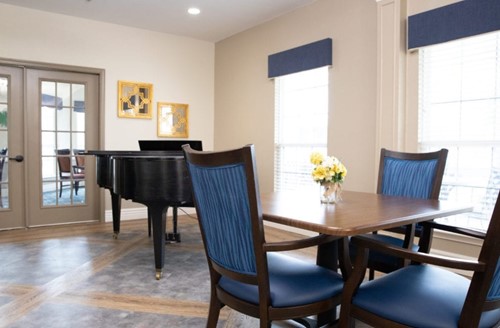 Assisted Living
The Commons at Honey Creek
Terre Haute, IN
Always Best Care - Terra Haute
Terre Haute, IN
Westridge Health Care Center
Terre Haute, IN
Home Instead - Terre Haute
Terre Haute, IN
Heart To Heart Hospice Of Terre Haute, LLC
Terre Haute, IN
Cobblestone Crossings Health Campus
Terre Haute, IN
Westminster Village Health & Rehab
Terre Haute, IN
Intrepid USA Hospice
Terre Haute, IN
Intrepid USA Healthcare Services
Terre Haute, IN
Comfort Keepers - Terre Haute
Terre Haute, IN
Harrison's Crossing Health Campus
Terre Haute, IN
City Guide
Explore Terre Haute
Free Quotes
Get quotes from local pros in Terre Haute
Tell us what you need and we’ll pass it to companies that serve your area. It’s free, and there’s no obligation.

Compare Terre Haute with any city
See how it stacks up on cost, income, and quality of life.
Start Comparing