



City Profile
Jeffersonville, Indiana
USA · Comprehensive city data and intelligence
Jeffersonville, Indiana, located along the scenic Ohio River directly across from Louisville, Kentucky, boasts a rich history rooted in shipbuilding, river commerce, and railroad development. Today, it has evolved into a vibrant and rapidly growing community that seamlessly blends historic charm with modern economic expansion. People are drawn to the city for its affordable cost of living, excellent riverfront amenities, and close proximity to a major metropolitan area while retaining a tight-knit, small-town feel.
Indiana, known as the "Hoosier State," offers a practical and community-oriented lifestyle with a cost of living generally below the national average. Its economy is diverse, with major industries including advanced manufacturing (automotive, steel, pharmaceuticals, medical devices), agriculture (corn, soybeans, hogs), life sciences, and logistics. The state experiences a humid continental climate, characterized by hot, muggy summers and cold, snowy winters, with spring and fall offering more moderate temperatures. Residents often value a relaxed pace of life, strong community ties, and access to outdoor activities and major metropolitan areas.
How this 65/100 was calculated five components, with every reading behind them
| Component | Readings used | Points | Weight | Contributes |
|---|---|---|---|---|
| Safety | Safety score: 70 / 100 | 70.0 | 30% | 21.0 |
| Affordability | Cost of living index (100 = national baseline): 92.0 | 53.8 | 25% | 13.4 |
| Economy & jobs | Median household income: $64,500 Income needed to live here: $50,000 Unemployment rate: 3.9% | 68.8 | 20% | 13.8 |
| Growth | Population growth rate: 1.4% Job growth rate: 2.3% | 63.0 | 15% | 9.5 |
| Business climate assessment | Business climate assessment: 70 / 100 | 70.0 | 10% | 7.0 |
| Overall score | 64.6 | |||
Provenance.
These figures were produced by the research pass recorded as
Gemini (ungrounded) (q=54, partial — below threshold), last refreshed
16 October 2026.
They are researched estimates drawn from public sources, not a licensed data feed.
Each component is scored against fixed published endpoints, so this number is comparable with any other city and does not move as the dataset grows. Scoring framework 2026.10 — full methodology, weights and accepted ranges.

Featured Events
Happening in Jeffersonville
Featured and sponsored events in Jeffersonville.
Local Directory
Businesses in Jeffersonville
Featured local businesses in Jeffersonville.

Performance
Quality Scores
Expenses
Cost of Living
The cost of living in Jeffersonville remains comfortably below the national average, making it an increasingly attractive destination for families, young professionals, and retirees alike. Housing, utilities, and grocery expenses are particularly reasonable compared to larger urban centers across the country. While overall expenses have risen modestly in line with regional growth, the city still offers exceptional financial value for your dollar.
Income
Salary Insights
Jeffersonville benefits from a robust regional economy driven primarily by logistics, manufacturing, healthcare, and retail sectors. Major employment anchors include industrial operations at the massive River Ridge Commerce Center and healthcare systems serving Clark County. The local job market demonstrates steady growth with expanding career opportunities in supply chain management, warehousing, and professional services.
The average salary in Jeffersonville is $58,000 per year. You would need approximately $50,000 to live comfortably.
Employment
Top Industries
Weather
Climate
Mobility
Transport
Transportation in Jeffersonville is predominantly car-dependent outside of the highly walkable historic downtown core, where sidewalks and pedestrian paths are well-maintained. Commuters benefit from direct access to major interstate corridors like Interstate 65, making the drive across the river into downtown Louisville quick and efficient. While local public mass transit options are somewhat limited, regional bus services connect key points throughout Greater Louisville.

At a Glance
Pros & Cons
Advantages
Drawbacks
Head to Head
Compare Jeffersonville
Community Q&A
Questions about Jeffersonville
What people ask about living in and moving to Jeffersonville, Indiana.
FAQ
Frequently Asked Questions
Senior Care in Jeffersonville
10 assisted living, nursing & memory care facilities in Jeffersonville.
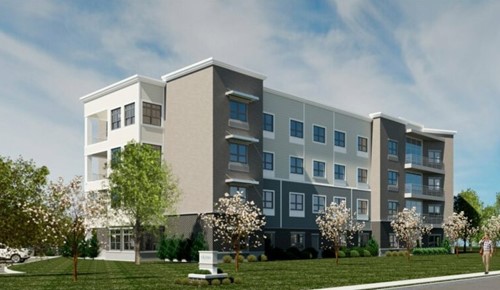 Assisted Living
Vivera Senior Living
Jeffersonville, IN
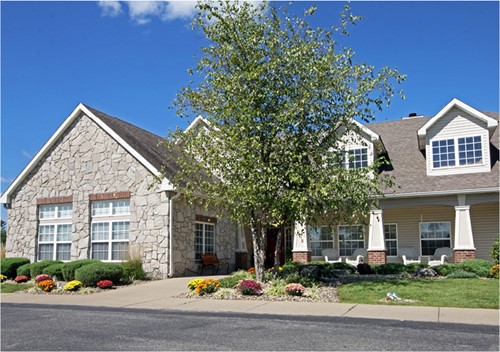 Assisted Living
Riverbend
Jeffersonville, IN
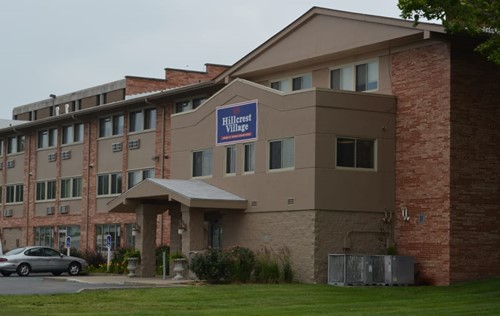 Assisted Living
Hillcrest Village
Jeffersonville, IN
Adaptive Hospice, LLC
Jeffersonville, IN
Maxim Healthcare Services Inc
Jeffersonville, IN
Amedisys Home Health
Jeffersonville, IN
Amedisys Hospice
Jeffersonville, IN
Kindred Hospice
Jeffersonville, IN
Maxim Healthcare Services - Jeffersonville
Jeffersonville, IN
Interim Healthcare Hospice Of Indiana, Inc
Jeffersonville, IN
City Guide
Explore Jeffersonville
Free Quotes
Get quotes from local pros in Jeffersonville
Tell us what you need and we’ll pass it to companies that serve your area. It’s free, and there’s no obligation.

Compare Jeffersonville with any city
See how it stacks up on cost, income, and quality of life.
Start Comparing