



City Profile
Ashland, Kentucky
USA · Comprehensive city data and intelligence
Ashland, Kentucky is a historic river city nestled along the southern bank of the Ohio River in Boyd County, serving as a vital anchor for the broader Tri-State metropolitan region. Originally established in the late 18th century as Poage's Landing and officially incorporated in 1854, the city grew into a prominent industrial hub driven by rail, steel, and manufacturing. Today, Ashland blends its rich industrial heritage with a tight-knit community feel, characterized by tree-lined streets, classic architecture like the historic Paramount Arts Center, and scenic riverfront parks. People are drawn to Ashland for its remarkably low cost of living, peaceful pace, and strong regional identity as a cultural and medical center for northeastern Kentucky.
Kentucky, known as the Bluegrass State, offers a blend of Southern charm and Midwestern practicality with a rich heritage rooted in horse racing, bourbon, and bluegrass music. The economy is diverse, with manufacturing (especially automotive), healthcare, and agriculture (including horses, cattle, corn, and tobacco) being major industries. Living in Kentucky is generally affordable, with the cost of living estimated to be 10-12% lower than the national average, particularly for housing. The state experiences a humid subtropical climate with four distinct seasons, featuring warm, humid summers and moderately cold, rainy winters. Residents enjoy a lifestyle that balances urban amenities in cities like Louisville and Lexington with abundant outdoor recreation opportunities and a strong sense of community.
How this 59/100 was calculated five components, with every reading behind them
| Component | Readings used | Points | Weight | Contributes |
|---|---|---|---|---|
| Safety | Safety score: 68 / 100 | 68.0 | 30% | 20.4 |
| Affordability | Cost of living index (100 = national baseline): 82.0 | 66.3 | 25% | 16.6 |
| Economy & jobs | Median household income: $52,715 Income needed to live here: $42,000 Unemployment rate: 5.5% | 56.6 | 20% | 11.3 |
| Growth | Population growth rate: no usable reading Job growth rate: 0.4% | 28.0 | 15% | 4.2 |
| Business climate assessment | Business climate assessment: 62 / 100 | 62.0 | 10% | 6.2 |
| Overall score | 58.7 | |||
Provenance.
These figures were produced by the research pass recorded as
Gemini (ungrounded) (q=55, partial — below threshold), last refreshed
12 October 2026.
They are researched estimates drawn from public sources, not a licensed data feed.
Each component is scored against fixed published endpoints, so this number is comparable with any other city and does not move as the dataset grows. Scoring framework 2026.10 — full methodology, weights and accepted ranges.

Featured Events
Happening in Ashland
Featured and sponsored events in Ashland.
Local Directory
Businesses in Ashland
Featured local businesses in Ashland.

Performance
Quality Scores
Expenses
Cost of Living
The cost of living in Ashland is significantly lower than the national average, making it an attractive destination for budget-conscious families and retirees. Housing expenses, utilities, and everyday goods run well below typical U.S. benchmarks, allowing residents' purchasing power to stretch further despite modest local wages. Affordable real estate is a primary driver of financial accessibility, with median home values and rental rates scaling comfortably beneath state and national norms. While certain specialized goods and healthcare services align with broader economic trends, basic living expenses remain remarkably manageable.
Income
Salary Insights
Ashland’s economy is anchored by healthcare, education, retail trade, and light manufacturing, acting as a regional service hub for the surrounding Tri-State area. Major regional employers include healthcare networks, local school systems, and commercial enterprises that provide steady, community-based employment. While traditional heavy manufacturing and industrial sectors have evolved over the decades, new workforce training initiatives and small business development programs are slowly diversifying the local job market. The remote work scene is also growing as professionals discover they can enjoy Ashland's affordable housing while earning external salaries.
The average salary in Ashland is $52,000 per year. You would need approximately $42,000 to live comfortably.
Employment
Top Industries
Weather
Climate
Mobility
Transport
Getting around Ashland is primarily centered on automobile travel, with major thoroughfares like U.S. Route 60 and Interstate 64 facilitating smooth regional connections. Traffic congestion is minimal, and average commute times are short, allowing residents to navigate the city and neighboring communities with ease. Public transit options are limited, meaning car ownership or access to ride-sharing services is standard for most daily errands. Walkability varies, with the historic downtown grid offering pedestrian-friendly sidewalks while outer residential areas require a vehicle.

At a Glance
Pros & Cons
Advantages
Drawbacks
Head to Head
Compare Ashland
Community Q&A
Questions about Ashland
What people ask about living in and moving to Ashland, Kentucky.
FAQ
Frequently Asked Questions
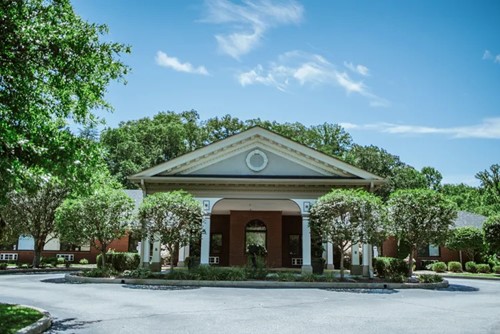
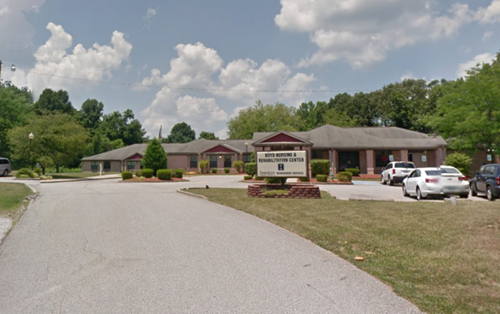
Senior Care in Ashland
4 assisted living, nursing & memory care facilities in Ashland.
Free Quotes
Get quotes from local pros in Ashland
Tell us what you need and we’ll pass it to companies that serve your area. It’s free, and there’s no obligation.

Compare Ashland with any city
See how it stacks up on cost, income, and quality of life.
Start Comparing