



Maine, known for its rugged coastline and vast forests, offers a lifestyle that prioritizes a slower pace and access to nature. The economy is diverse, with major industries including forest products, marine/aquaculture, food/agriculture, outdoor recreation, and manufacturing, alongside growing sectors like life sciences. While the cost of living is generally moderate compared to other New England states, housing costs can be higher in popular coastal areas like Portland. The climate features warm, sometimes humid summers and long, cold, and very snowy winters, especially inland, with coastal areas experiencing slightly milder temperatures.

Featured Events
Happening in Auburn
Featured and sponsored events in Auburn.
Local Directory
Businesses in Auburn
Featured local businesses in Auburn.


Community Q&A
Questions about Auburn
What people ask about living in and moving to Auburn, Maine.
What industries provide most jobs in Auburn?
Auburn’s economy is anchored by manufacturing, retail, and healthcare services. The town hosts several small‑to‑medium factories and distribution centers that employ a range of skilled workers. Additionally, local retail chains and service businesses offer positions in sales, logistics, and customer support. Look at job boards and the town’s economic development office for current openings.
Is Auburn a safe place to live?
Auburn has a relatively low crime rate compared to national averages, with most incidents involving non‑violent property crimes. Community policing and neighborhood watch programs are active. For the latest statistics, consult the local police department’s annual reports or the state crime database.
How does Auburn's cost of living compare to nearby cities?
Auburn generally has a lower cost of living than Portland. Grocery prices, utilities, and transportation costs tend to be modestly lower, while housing remains more affordable. However, the overall difference is moderate; many residents find the trade‑off worthwhile for the quieter environment. Check local consumer price indexes or cost‑of‑living calculators for the most recent data.
What are the average rent prices for a two‑bedroom apartment in Auburn?
Two‑bedroom rentals in Auburn typically range from mid‑$800s to low‑$1,200 per month, depending on location, age of the building, and included amenities. Older homes in historic districts may command higher rents, while newer developments offer more modern features at the upper end. Browse local rental listings or contact a real‑estate agent for current availability.
How are the public schools in Auburn rated?
The public schools in Auburn receive generally positive reviews for academic performance and community involvement. They offer a range of extracurricular activities and support services. For detailed ratings, visit the state education department’s school report cards and review parent‑teacher association feedback.
What public transportation options are available in Auburn?
Auburn is served by a regional bus system that connects to surrounding towns and cities, including major transit hubs. The service operates multiple routes during weekdays and limited evening schedules. Check the regional transit authority’s website for route maps, schedules, and fare information.
Where can I find medical services in Auburn?
The town has several primary care clinics and a small urgent‑care facility for non‑critical needs. For emergencies, residents rely on the nearest hospital in a nearby city, which offers full emergency services. Use the state health department’s provider directory to locate specific practitioners and confirm insurance acceptance.
What recreational activities can I enjoy in Auburn?
Auburn offers a mix of outdoor and cultural experiences. Residents can hike local trails, enjoy seasonal festivals, and visit nearby parks for picnics or fishing. The town also hosts community arts programs and seasonal markets that showcase local crafts and food. Check the town’s event calendar for upcoming activities.
What is the best time of year to move to Auburn?
Late spring through early fall offers mild temperatures and lower humidity, making moving easier. During winter, snow and ice can delay transportation and increase heating costs. If you prefer fewer crowds, consider moving in the shoulder seasons of late summer or early fall.
What is the overall vibe of Auburn compared to larger cities?
Auburn provides a small‑town atmosphere with close community ties, quieter streets, and a slower pace of life. Residents often appreciate the friendly environment, local events, and access to nature. Compared to larger cities, there is less traffic congestion and a stronger emphasis on community engagement. Explore local forums and visit the town to experience the vibe firsthand.
Some answers here were drafted as a starting point and may be out of date. Live in Auburn? Add your own.
FAQ
Frequently Asked Questions
Senior Care in Auburn
8 assisted living, nursing & memory care facilities in Auburn.
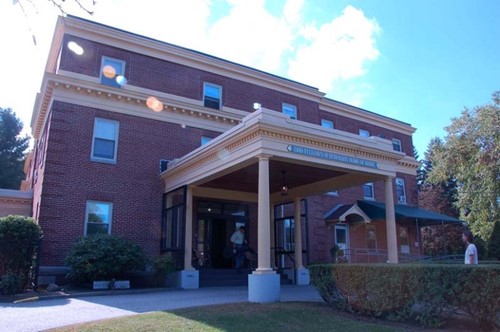 Assisted Living
Odd Fellows Assisted Living
Auburn, ME
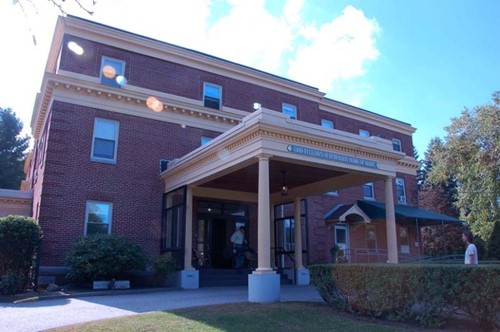 Assisted Living
Odd Fellows & Rebekahs' Home Of Maine
Auburn, ME
 Senior Care
Clover Manor Assisted Living
Auburn, ME
 Assisted Living
Clover Manor
Auburn, ME
Assisted Living
Odd Fellows Assisted Living
Auburn, ME
Assisted Living
Odd Fellows & Rebekahs' Home Of Maine
Auburn, ME
Senior Care
Clover Manor Assisted Living
Auburn, ME
Assisted Living
Clover Manor
Auburn, ME
Free Quotes
Get quotes from local pros in Auburn
Tell us what you need and we’ll pass it to companies that serve your area. It’s free, and there’s no obligation.

Compare Auburn with any city
See how it stacks up on cost, income, and quality of life.
Start Comparing