



City Profile
Worcester, Massachusetts
USA · Comprehensive city data and intelligence
Worcester, Massachusetts, often called the "Heart of the Commonwealth," is a city with a rich industrial past that has transformed into a vibrant hub for education, healthcare, and technology. Founded in 1713, it was a major center for manufacturing, particularly in the shoe and textile industries, leaving a legacy of historic architecture and a strong work ethic. Today, Worcester is a dynamic city that attracts residents with its growing job market, diverse cultural scene, and a more affordable cost of living compared to its larger neighbor, Boston. Its strategic location in central Massachusetts provides convenient access to major transportation routes and a balance between urban amenities and New England charm.
People are drawn to Worcester for its burgeoning economic opportunities, particularly in the life sciences and healthcare sectors, which are supported by world-class educational institutions. The city boasts a lively arts and culture scene, with numerous theaters, museums, and music venues, alongside a growing culinary landscape that offers a wide array of dining experiences. Worcester's commitment to revitalization is evident in its downtown development projects and the preservation of its historic neighborhoods, creating a unique blend of old and new that appeals to a broad range of residents seeking a fulfilling urban lifestyle.
As a growing metropolitan area, Worcester offers a compelling mix of career prospects, educational pursuits, and recreational activities. Its numerous parks, recreational facilities, and proximity to natural landscapes provide ample opportunities for outdoor enthusiasts. The city's strong sense of community, coupled with its continuous development and investment, positions Worcester as an attractive and evolving place to live, work, and raise a family.
Massachusetts is a New England state known for its rich history, world-class educational institutions, and diverse communities. Its economy is robust, driven by major industries such as technology, healthcare, biotechnology, finance, and education. Living in Massachusetts generally comes with a high cost of living, particularly for housing, which is significantly above the national average. The state experiences a humid continental climate with distinct four seasons, including cold, snowy winters and warm, rainy summers. The lifestyle is often characterized by a fast-paced, well-educated populace that values hard work, civic responsibility, and a vibrant cultural scene.
How this 60/100 was calculated five components, with every reading behind them
| Component | Readings used | Points | Weight | Contributes |
|---|---|---|---|---|
| Safety | Safety score: 60 / 100 | 60.0 | 30% | 18.0 |
| Affordability | Cost of living index (100 = national baseline): 95.0 | 50.0 | 25% | 12.5 |
| Economy & jobs | Median household income: $70,102 Income needed to live here: $55,000 Unemployment rate: 4.3% | 65.3 | 20% | 13.1 |
| Growth | Population growth rate: 2.4% Job growth rate: 1.2% | 64.5 | 15% | 9.7 |
| Business climate assessment | Business climate assessment: 68 / 100 | 68.0 | 10% | 6.8 |
| Overall score | 60.0 | |||
Provenance.
These figures were produced by the research pass recorded as
Gemini (Tier 2 (reasoned), q=83), last refreshed
30 August 2026.
They are researched estimates drawn from public sources, not a licensed data feed.
Each component is scored against fixed published endpoints, so this number is comparable with any other city and does not move as the dataset grows. Scoring framework 2026.10 — full methodology, weights and accepted ranges.

Featured Events
Happening in Worcester
Featured and sponsored events in Worcester.
Local Directory
Businesses in Worcester
Featured local businesses in Worcester.

Performance
Quality Scores
Expenses
Cost of Living
Worcester presents a cost of living that is generally more affordable than the national average, making it an appealing option for individuals and families seeking value. While specific costs can fluctuate, overall expenses for housing, utilities, and daily necessities tend to be more manageable here than in many other major New England cities. This relative affordability is a significant draw, especially for those looking to balance career opportunities with a comfortable lifestyle.
The primary driver of cost in Worcester is housing, though it remains more accessible than in Boston. Rent and home prices are competitive, offering more space and value for money. Utilities, transportation, and groceries are also in line with or slightly below national averages, contributing to a lower overall financial burden for residents. This economic advantage allows individuals to allocate more of their budget towards savings, leisure, or other personal pursuits, enhancing the overall quality of life.
Income
Salary Insights
Worcester's economy is robust and diverse, with a strong emphasis on healthcare, education, and technology, positioning it as a significant economic engine in Massachusetts. The city is home to major healthcare systems like UMass Memorial Health and Worcester's hospitals, which are substantial employers and drivers of innovation in medical research and patient care. Educational institutions, including Worcester Polytechnic Institute (WPI) and Clark University, not only contribute to the city's intellectual capital but also foster a skilled workforce and attract research and development opportunities.
The job market in Worcester has seen consistent growth, particularly in sectors like life sciences, advanced manufacturing, and IT. The city's strategic location and supportive business environment encourage new business formation and expansion, creating a dynamic entrepreneurial ecosystem. While remote work is prevalent, Worcester's strong local job market offers ample opportunities for in-person and hybrid roles, making it an attractive destination for professionals seeking career advancement and stability.
Worcester County's total number of jobs grew by 22% between 2001 and 2022, mirroring state trends and slightly exceeding national growth during that period. The largest employment sectors in Worcester County include Trade, Transportation and Utilities (18%), Health Care and Social Assistance (16%), and Professional and Business Services (13%). The Financial Activities sector has seen significant growth, increasing by 66% from 2001 to 2022.
The average salary in Worcester is $67,000 per year. You would need approximately $55,000 to live comfortably.
Employment
Top Industries
Weather
Climate
Mobility
Transport
Worcester provides a functional transportation network that serves its residents, with options for public transit, driving, and active mobility. The Worcester Regional Transit Authority (WRTA) operates bus services throughout the city and surrounding areas, connecting key destinations and neighborhoods. Additionally, the MBTA Commuter Rail offers convenient links to Boston, facilitating regional travel for commuters and visitors.
While driving is common, with an average commute time of 24.1 minutes, Worcester is also becoming more amenable to walking and cycling. The city has an average Walk Score of 56, indicating that some errands can be accomplished on foot, with certain neighborhoods being more walkable than others. The transit score is rated as 34, suggesting room for improvement in public transportation accessibility and frequency. Traffic congestion is moderate, with an average congestion level of 36% in 2025.

At a Glance
Pros & Cons
Advantages
Drawbacks
Head to Head
Compare Worcester
Community Q&A
Questions about Worcester
What people ask about living in and moving to Worcester, Massachusetts.
What’s the overall vibe of Worcester for newcomers?
Worcester blends a historic industrial heritage with a growing college‑town atmosphere. The city has a relatively affordable cost of living, a diverse population, and a revitalized downtown that hosts restaurants, arts venues, and community events. Residents often describe the vibe as friendly and collaborative, with a strong emphasis on local businesses and neighborhood identity. While it lacks the size and pace of...
How are the public schools rated in Worcester?
Worcester’s public school system includes a mix of elementary, middle, and high schools, each overseen by the city’s school district. Test scores and graduation rates vary by school, with some campuses performing at or above state averages and others needing improvement. The district website provides school report cards, enrollment numbers, and information on special programs such as STEM or language immersion. Visit...
Is Worcester a safe city to live in?
Worcester’s safety score is 60 out of 100, indicating a moderate level of safety compared with other U.S. cities. Crime tends to be concentrated in certain areas, while many residential neighborhoods experience low rates of violent crime. The city’s police department publishes annual crime statistics on its website, which can help you compare specific neighborhoods. Additionally, local community groups often share sa...
How does Worcester's cost of living compare to the national average?
Worcester’s cost‑of‑living index is 95, meaning it is slightly below the national average of 100. Everyday expenses such as groceries, utilities, and transportation tend to be a few percent cheaper than in many larger U.S. metros. Because the index is under 100, most residents find that a typical salary goes a bit farther than it would in a city with a higher index. However, housing costs are a major factor; the aver...
What public transportation options are available in Worcester?
Worcester is served by a regional transit authority that operates bus routes throughout the city and surrounding towns. The system connects residential areas with major employment centers, the downtown district, and regional rail stations that provide service to larger cities. Schedules and fare information are posted on the transit authority’s website, and many routes run at regular intervals during peak commuting h...
Where can I find hospitals and urgent care in Worcester?
Worcester has several major hospitals and a network of urgent‑care centers that provide emergency, specialty, and primary care services. The city’s health department website lists facilities by type, location, and the services they offer. Many hospitals are affiliated with regional medical schools, which can mean access to advanced treatment options and clinical trials. For routine care, look for community health cli...
What should I know about utility set‑up when moving to Worcester?
When you move into a rental in Worcester, you’ll need to set up electricity, natural gas (if applicable), water, and internet service. The city’s utility providers are listed on the municipal website, where you can find contact numbers and online portals for new‑service requests. Most providers require a few days’ notice before move‑in, so start the process at least a week in advance. You’ll typically need a photo ID...
What is the typical rent for a one‑bedroom apartment in Worcester?
The average rent across Worcester is about $1,800 per month. One‑bedroom units in central neighborhoods tend to be close to that average, while apartments farther from the city core or in older buildings may be slightly lower. When budgeting, also consider additional costs such as utilities, internet, and parking, which can add $100–$200 per month. Checking online rental listings and contacting local property manager...
What are the average salaries like in Worcester?
The median annual salary in Worcester is $67,000. For professional fields such as engineering, salaries often exceed this median, reflecting the presence of several large employers and a growing tech and biotech sector. When evaluating a job offer, compare the salary to the $1,800 average rent and the overall cost‑of‑living index of 95 to gauge affordability. You can also look at job boards that filter by industry an...
What are the top free or low‑cost activities in Worcester?
Worcester offers a variety of cultural and outdoor activities that are free or low‑cost. The city maintains several public parks, riverwalks, and historic districts that are open year‑round and great for walking, biking, or picnicking. Seasonal events such as outdoor concerts, farmers’ markets, and community festivals are often hosted in public squares and are free to attend. Museums and galleries sometimes have free...
Some answers here were drafted as a starting point and may be out of date. Live in Worcester? Add your own.
FAQ
Frequently Asked Questions
Businesses for Sale in Worcester
Explore active acquisition & franchise opportunities .
Senior Care in Worcester
29 assisted living, nursing & memory care facilities in Worcester.
 Senior Care
Abby Homecare Solutions
Worcester, MA
 Assisted Living
Blaire House of Worcester
Worcester, MA
 Assisted Living
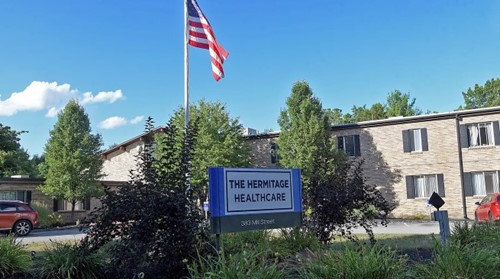
The Hermitage Healthcare
Worcester, MA
 Assisted Living
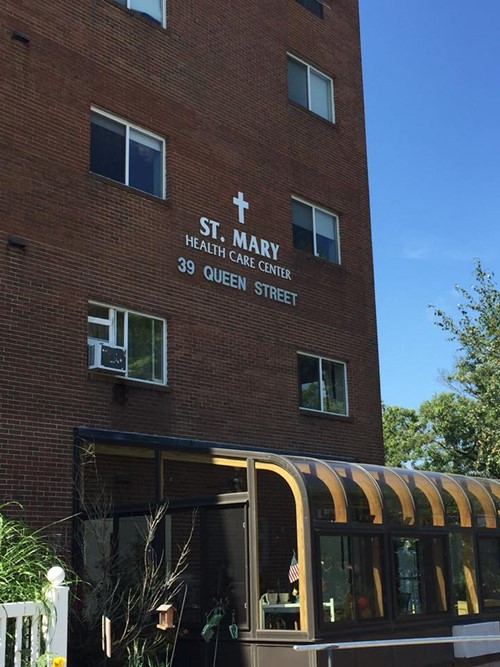
St Mary Health Care Center
Worcester, MA
 Assisted Living
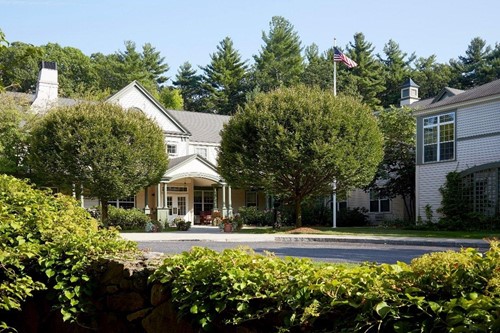
Tatnuck Park at Worcester
Worcester, MA
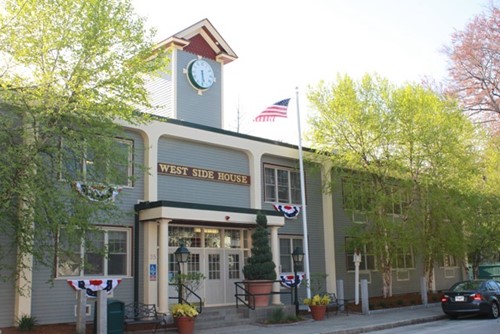 Assisted Living
West Side House of Worcester
Worcester, MA
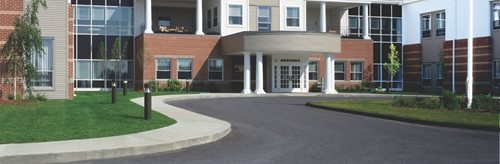 Assisted Living
Christopher House Of Worcester
Worcester, MA
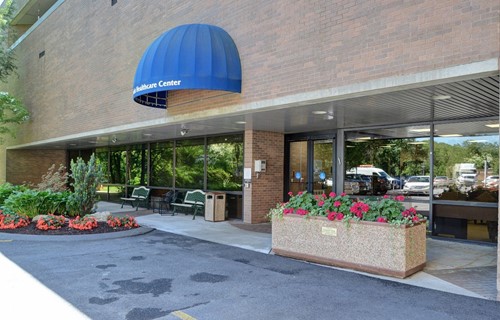 Assisted Living
Jewish Healthcare Center
Worcester, MA
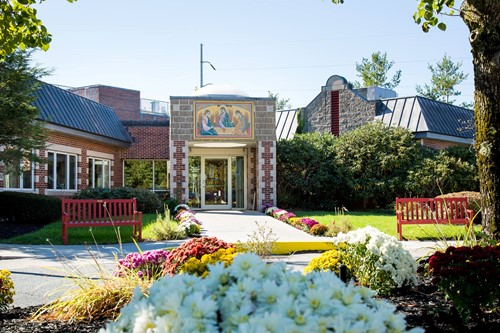 Assisted Living
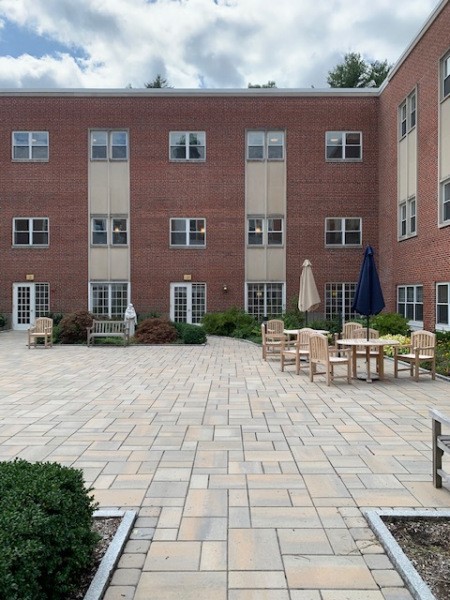
Holy Trinity Eastern Orthodox N & R Center
Worcester, MA
 Assisted Living
Notre Dame Long Term Care Center
Worcester, MA
 Senior Care
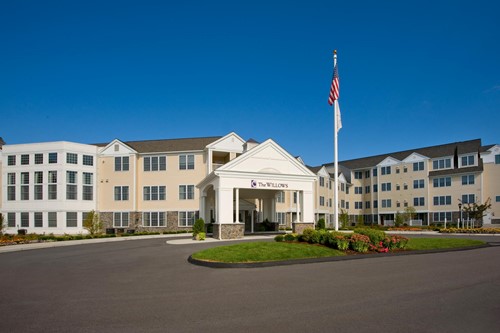
The Willows at Worcester
Worcester, MA
 Assisted Living
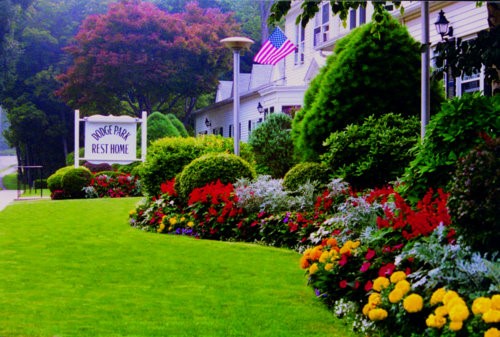
Dodge Park Rest Home
Worcester, MA
City Guide
Explore Worcester
Free Quotes
Get quotes from local pros in Worcester
Tell us what you need and we’ll pass it to companies that serve your area. It’s free, and there’s no obligation.

Compare Worcester with any city
See how it stacks up on cost, income, and quality of life.
Start Comparing